
If you’re in the market for a lightweight wheelchair, one of the most critical factors—often overlooked until it’s too late—is actual weight. Not the flashy number in bold on the product page, but the real, fully assembled weight you’ll lift when loading it into a car, carrying it onto a plane, or storing it at home. Many people are shocked to learn that a model advertised as “only 13.5 lbs” refers to the frame alone, not the complete chair. Once wheels, seat, footrests, and brakes are added, that same chair can easily reach 19 pounds or more—a 40% increase.
True lightweight wheelchairs typically range from 15 to 35 pounds, with ultra-lightweight models under 30 pounds and super lightweight travel chairs under 20 pounds when fully built. These chairs use advanced materials like aluminum, titanium, or carbon fiber to cut mass without sacrificing strength. The result? Easier self-propulsion, less strain on caregivers, and far greater independence. Whether you’re a senior managing daily mobility, a frequent traveler, or a caregiver assisting with transport, choosing the right weight can impact safety, comfort, and long-term joint health.
This guide cuts through the marketing hype and gives you the facts about lightweight wheelchair weight—from accurate classifications and misleading claims to top models, transport strategies, and injury prevention. By the end, you’ll know exactly what to look for when buying a chair that’s truly light.
Decode Lightweight Wheelchair Classifications
Standard vs. Lightweight: Know the Difference
Standard manual wheelchairs, typically made from steel, weigh between 35 and 50 pounds, making them difficult to lift, push, or transport regularly. In contrast, lightweight models range from 30 to 35 pounds, using aluminum frames to reduce effort and improve maneuverability. These are ideal for users who need better mobility but don’t require high-performance features.
But the real breakthrough comes with ultra-lightweight wheelchairs, which weigh under 30 pounds and are designed for active users who self-propel. Some models drop below 20 pounds, earning labels like “super lightweight” or “travel-optimized.” These chairs reduce strain on shoulders, wrists, and elbows—critical for long-term users with conditions like spinal cord injuries or MS.
Ultra-Lightweight: Under 30 Pounds
Chairs under 30 pounds are engineered for efficiency. They feature rigid or folding aluminum frames, quick-release wheels, and minimalist designs that prioritize function. Because they’re lighter, users expend less energy with each push, reducing fatigue and the risk of repetitive stress injuries. For older adults or those with limited upper-body strength, staying under 30 pounds can mean the difference between independence and reliance on help.
Super Lightweight: Under 20 Pounds
The lightest wheelchairs—like the RGK Sub4 and Feather Chair—weigh under 20 pounds fully assembled, making them ideal for travel and solo use. The RGK Sub4 weighs under 8.8 pounds (4 kg) and fits in most car trunks without disassembly. These “travel wheelchairs” sacrifice some features—like adjustable armrests or heavy-duty frames—but offer unmatched portability. For users who value ease of lift over customization, these models are game-changers.
Frame-Only vs. Fully Assembled Weight
Why Advertised Weight Can Mislead
Manufacturers often promote frame-only weight, excluding wheels, upholstery, footrests, and brakes. This creates a false impression of how light the chair really is. For example, the Feather Chair is advertised at 13.5 pounds, but that’s just the 18-inch frame without wheels or seat. The fully assembled version weighs 19 pounds—a 41% increase. That extra weight matters when you’re lifting it alone.
What’s Included in Fully Assembled Weight?
Always ask: What does the listed weight include? A complete wheelchair should account for:
– Frame
– Rear wheels and front casters
– Pushrims
– Seat and backrest
– Footrests and leg supports
– Armrests
– Brakes and handrims
– Anti-tippers (if equipped)
When comparing models, insist on fully assembled weights. Otherwise, you risk buying a chair that’s too heavy to handle once built.
Real-World Example: Feather Chair Weight Breakdown
| Component | Weight |
|---|---|
| Frame Only (18″) | 13.5 lbs |
| Fully Assembled (18″) | 19 lbs |
| Includes | Frame, wheels, seat, footrests, brakes |
| Excludes | Carry bag, extra cushion, anti-tippers |
Even small additions—like a carry bag or thicker cushion—can push the total over your limit. Always factor in accessories early.
Top Lightweight Wheelchair Models by Weight

Lightest Models: Under 20 lbs Assembled
RGK Sub4: Under 8.8 lbs
- Weight: <8.8 lbs (~4 kg)
- Frame Type: Rigid
- Best For: Airline travel, active users
- Note: Fits in most car trunks without disassembly
Feather Chair (18″): 19 lbs
- Frame Weight: 13.5 lbs
- Assembled Weight: 19 lbs
- Folds To: 28″ x 29″ x 15″
- Best For: Compact storage, solo transport
ERGO FLIGHT: 19.8 lbs
- Weight: 19.8 lbs
- Features: Ergonomic design, premium materials
- Best For: Comfort-focused users
“Almost anyone can lift this wheelchair into a car—making transport effortless.”
— Article 4
Mid-Range Ultra-Light: 20–29 lbs
LT-990: 24 lbs
- Price: $370.59
- Best For: Budget-conscious buyers
S-ERGO 115: 25 lbs
- Price: $599
- Features: Ergonomic seat, aluminum frame
- Best For: Long-term comfort
Star 2 / LT-K5: 28–28.5 lbs
- Weight: 28–28.5 lbs
- Price Range: $663–$1,210
- Best For: Premium features
Entry-Level Lightweight: 30–35 lbs
802-DY: 30 lbs
- Price: $239.99
- Best For: Budget buyers needing a lighter option
ProBasics K4: ~32 lbs
- Price: ~$331
- Features: Flip-up arms, 20″ seat
- Best For: Versatile daily use
Nova 7200L: 31.85 lbs
- Wheels: 24″ for self-propulsion
- Best For: Transitioning to self-propulsion
Lightweight Materials: What Makes Chairs Lighter?
Aluminum: Most Common Choice
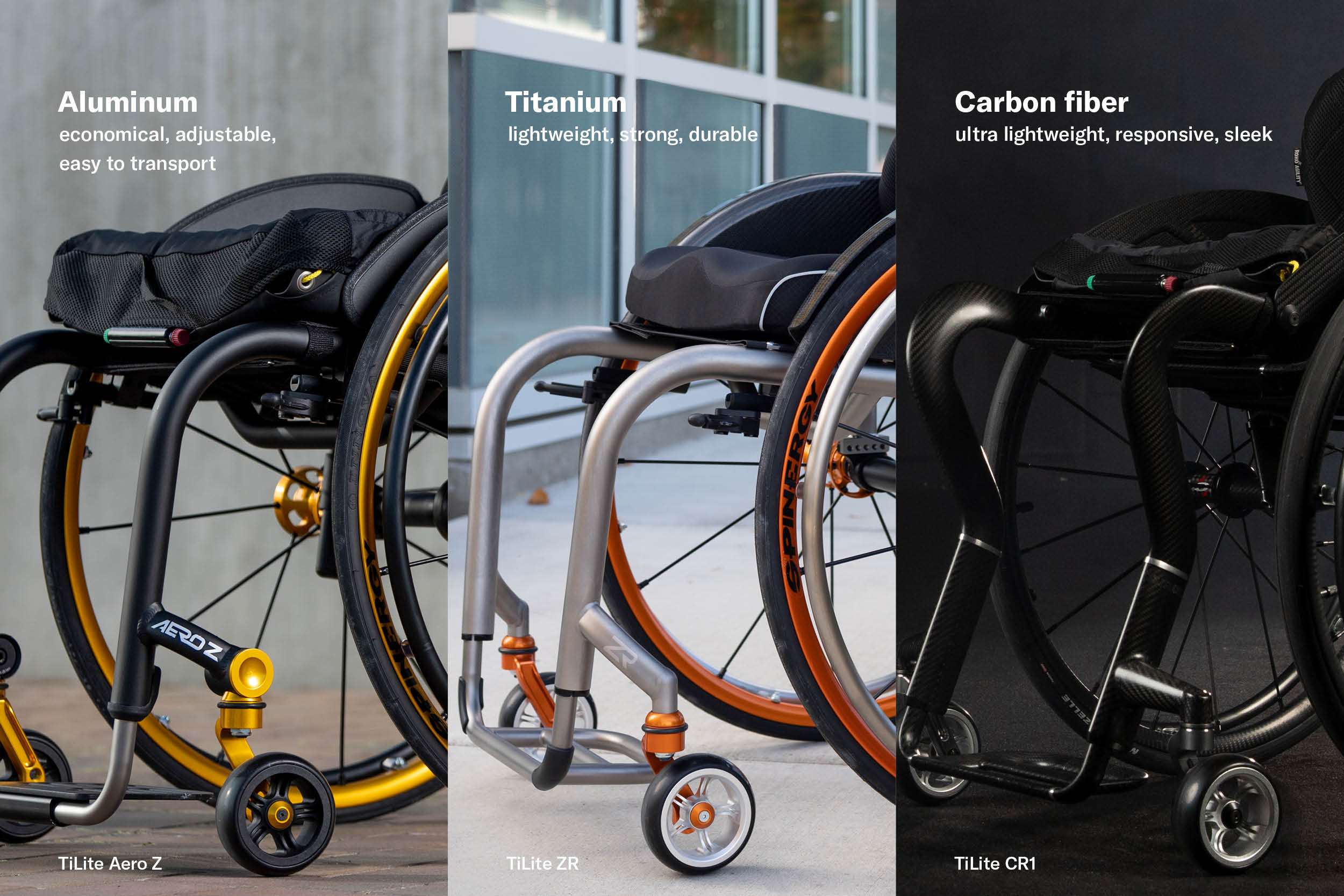
Aluminum is the go-to for ultra-lightweight wheelchairs—strong, corrosion-resistant, and cost-effective. Most models in the 20–30 lb range use high-grade aluminum. Examples: Quickie QRi, Catalyst series, Feather Chair.
“Built on aluminum frames for strength without added weight.”
— Article 9
Titanium: Premium Strength and Lightness
Titanium is lighter and stronger than aluminum but much more expensive. Used in high-end custom chairs like the TiLite TR3, it offers unmatched durability and performance. These models are often not covered by insurance but last longer and reduce user strain.
Carbon Fiber: The Lightest Option
Used in “box wheelchairs” and racing models, carbon fiber has the highest strength-to-weight ratio. Chairs can weigh under 15 pounds but come with a premium price tag and limited customization. Often classified as “non-medical,” they’re rarely covered by insurance.
“My box wheelchair is lighter but insurance won’t pay for them.”
— Article 3
Folding vs. Rigid Frame: Weight Trade-Offs
Folding Wheelchairs: Heavier but More Portable
Folding chairs have hinges and folding mechanisms that add weight and reduce rigidity. While they fold compactly—ideal for car storage—they are less efficient for self-propulsion due to frame flex.
- Weight: Typically 25–35 lbs
- Best For: Caregivers, occasional users
- Example: Feather Chair (folds to 28″ x 29″ x 15″)
Rigid Wheelchairs: Lighter and More Efficient
Rigid chairs have no folding mechanism, making them lighter and stiffer. This improves energy transfer, reducing fatigue. However, they take up more space and may require partial disassembly.
- Weight: Often under 25 lbs
- Best For: Active, independent users
- Example: RGK Sub4, FX series
“A rigid chair has fewer moving parts and is lighter.”
— Article 5
Transport Tips: Getting Your Chair in the Car
Internal Stowage: Best for Protection
Storing the chair inside the vehicle is safer.
Steps to Load:
- Fold the backrest down.
- Pull up the center of the seat.
- Remove rear wheels (if quick-release).
- Tip the chair into the backseat or trunk.
- Pull through from the opposite side.
Benefits:
– No weather exposure
– No theft risk
– No aerodynamic drag
External Carriers: Use with Caution
While they keep the interior clean, external carriers:
– Increase wind noise and fuel use
– Expose the chair to rain and dirt
– Pose security risks
“You do notice it when driving—very similar to a bicycle carrier.”
— Article 3
Ideal Weight for Independent Users
Under 25 lbs: Best for Self-Lifting
For users who lift their own chair—especially those over 70—experts recommend:
– Fully assembled weight under 30 lbs
– Ideally under 25 lbs for safe, repeated lifting
“For someone in their 70s: aim for under 30 lbs, ideally under 25.”
— Article 3
Quick-Release Wheels: Reduce Bulk
Removing wheels cuts weight and size. Most ultra-light chairs include quick-release axles, allowing rear wheels to pop off in seconds—making loading easier and reducing strain.
Prevent Injury with the Right Wheelchair
Reduce Repetitive Strain Risk
Long-term use can cause shoulder, wrist, and elbow injuries. Lighter chairs reduce pushing force, lowering injury risk.
“Many people who skip professional fitting develop injuries that would’ve been avoidable.”
— Article 3
Get a Professional Fitting
A physical or occupational therapist can:
– Measure correct seat width, depth, and height
– Adjust pushrim position
– Minimize joint stress
– Prevent long-term damage
“Consult a wheelchair specialist for measurements tailored to your body.”
— Article 3
Customization and Cost: What to Expect
Common Custom Options
- Seat widths: 16″–20″
- Armrests: Flip-back, desk-style, removable
- Footrests: Swing-away, elevating
- Wheels: 22″–26″ rear, 6″–8″ front casters
- Colors: Charcoal, blue, orange trim
“Your chair can be customized to your body, needs, and style.”
— Article 5
Insurance Coverage Limits
- Most insurers do not cover ultra-lightweight, titanium, or carbon fiber chairs
- Approval requires medical necessity documentation
- Custom “box wheelchairs” are often denied
“Insurance only approves equipment deemed medically necessary.”
— Article 5
Price Ranges
| Category | Price | Examples |
|---|---|---|
| Budget | $240–$420 | LT-980, 802-DY |
| Mid-Range | $500–$800 | Feather Chair, ERGO FLIGHT |
| Premium | $1,100+ | Catalyst, Quickie, Tsunami |
“Lightweight chairs cost more upfront but save money long-term.”
— Article 6
Benefits of a Lightweight Wheelchair
Less Effort to Propel
Lighter chairs require less energy per push, reducing fatigue.
Faster and More Efficient
Better momentum means more ground per push.
Easier to Maneuver
Responsive handling improves control in tight spaces.
Greater Independence
Users with limited strength can self-propel and transport.
Caregiver Relief
Lighter chairs are easier to push and lift.
“Lightweight wheelchairs are easier to push or self-propel than standard ones.”
— Article 6
Final Recommendations
- Choose Fully Assembled Weight: Always verify total usable weight.
- Prioritize Under 25 lbs for Self-Use: Feather Chair (19–20 lbs), RGK Sub4 (<8.8 lbs).
- Consider Rigid Frames for Active Use: Better efficiency and durability.
- Invest in Professional Fitting: Prevent long-term injuries.
- Store Inside the Vehicle: Protect from weather and theft.
- Know Insurance Limits: Most ultra-lightweight chairs aren’t covered—plan for out-of-pocket costs.
Final Note: When choosing a lightweight wheelchair, weight matters—but only if it’s the real weight. Focus on fully assembled models under 30 lbs, with under 25 lbs ideal for independence. With the right chair, you gain mobility, comfort, and long-term health.