
Rolling across carpeted floors in a wheelchair shouldn’t feel like climbing a hill. Yet for countless manual and power chair users, thick padding and plush fibers turn everyday movement into a test of strength and endurance. The resistance from carpet increases physical strain, drains battery life on power chairs, and raises the risk of getting stuck or tripping on loose edges. But the right wheelchair on carpet solutions can transform mobility—making movement safe, smooth, and sustainable. Whether you’re living with existing carpet or planning a home upgrade, this guide delivers tested strategies that combine smart flooring choices, practical products, and adaptive techniques. From budget-friendly vinyl runners to permanent hard-surface flooring, you’ll discover how to reclaim independence—without tearing up every room.
Choose the Right Carpet for Wheelchair Accessibility
If you’re installing or replacing carpet, making informed choices now prevents mobility issues later.
Low-Pile, High-Density Nylon Is Best
Opt for carpet with less than 1/4 inch pile height and tightly woven, high-density nylon fibers. These resist compression from repeated wheel traffic, minimizing rolling resistance. Low-pile carpets prevent wheels from sinking in, reducing effort and fatigue. Avoid plush, shag, or Berber styles—they trap wheels, degrade quickly, and increase the force needed to move. High-density nylon holds up under daily use and maintains a flat, stable surface over time.
Use Thin, Firm Padding
Install padding no thicker than 1/4 inch, and choose firm rubber or rebond foam instead of soft sponge underlays. Thick padding acts like a trampoline, absorbing momentum and making propulsion harder. Gel-backed carpets are ideal—they’re thin, flexible, and stay flat without shifting. This type of backing also reduces the need for extra padding, creating a more stable rolling surface.
Secure All Seams and Edges
Loose edges catch wheels and create tripping hazards. Ensure all seams are tightly seamed and edges are tacked down during installation. For added stability, apply double-sided carpet tape along perimeters and joints—especially in high-traffic zones like hallways and doorways. This prevents lifting and keeps the surface smooth for both wheelchair users and ambulatory individuals.
Replace Carpet with Hard Surface Flooring

The most effective long-term wheelchair on carpet solution is removing carpet entirely.
Install Vinyl, Laminate, or Sealed Hardwood
Switching to luxury vinyl plank (LVP), laminate, or sealed hardwood eliminates rolling resistance. These surfaces allow smooth, effortless movement and are easy to clean. Users consistently report dramatically improved mobility after removing carpet. LVP is especially popular due to its durability, water resistance, and realistic wood-like appearance.
Balance Comfort and Accessibility
If bare floors feel too cold or hard, choose soft-touch vinyl for a warmer underfoot feel. Alternatively, place small area rugs with non-slip backing in sitting or sleeping areas. These add comfort without compromising safety—just ensure they don’t extend into primary mobility paths.
Use Threshold Ramps for Level Changes
In older homes, slight height differences between rooms can block wheelchair access. Install threshold ramps to bridge gaps up to 2 inches. Available in aluminum, rubber, or wood, these ramps ensure seamless transitions. Choose low-profile models that blend with your décor and provide a non-slip surface for all users.
Lay Heavy-Duty Vinyl Carpet Runners

Create low-resistance pathways over existing carpet with protective floor runners.
Use 2mm Cleated Vinyl Runners
Products like the RESILIA Deep Pile Carpet Runner provide a smooth, hard surface over carpet. Made from 2mm thick cleated vinyl, they grip the carpet underneath and stay in place. Available in widths from 24” to 36”, they can be cut to size with scissors for custom hallways or doorways. These runners are waterproof, durable, and nearly invisible under furniture.
Prevent Shifting with Removable Anchors
Even studded-back mats can shift over time. Secure edges with removable double-sided tape or adhesive strips designed for flooring. Avoid permanent glue—opt for low-residue options that allow repositioning. Check weekly for curling or lifting, especially in high-traffic zones.
Compare Top Carpet Runners
| Product | Best For | Key Feature |
|---|---|---|
| RESILIA Industrial Runner | High-traffic areas | Crosshatch grip, USA-made |
| Clear Carpet Runner (USA) | Durability | 2mm thick, waterproof |
| tonchean Clear Runner | Pet-friendly homes | Scratch-resistant, anti-tear |
| ES Robbins Ribbed Runner | Budget option | Available at Home Depot |
Note: Ribbed or textured surfaces may slightly increase resistance compared to smooth vinyl.
Use Chair Mats for Desk and Transfer Zones
Repurpose office-style chair mats to create accessible workspaces.
Pick 36″x48″ Clear PVC Mats
Models like the HON Office Chair Mat or BesWin Clear Mat are popular for desk zones. They feature cleated backs that grip carpet and a smooth top for easy rolling. Black versions (e.g., Vicwe) offer a more modern look. These mats are ideal for home offices, bedside tables, or kitchen counters.
Know the Limitations
- Designed for light office chairs, not full wheelchair loads.
- May crack or warp under constant use.
- Cover only a small area—ideal for seating zones, not full pathways.
Pro Tip: Use multiple mats connected end-to-end for larger coverage, but anchor each piece to prevent gaps.
Install Rigid Floor Panels for Heavy Use
For long-term or high-load applications, rigid panels outperform vinyl.
Use 1/4″ to 1/2″ Plywood or Masonite
Cut plywood or masonite to fit hallways or rooms. Place smooth side up for best rolling. These panels support patient lifts, power chairs, and frequent use without deforming. They’re especially useful for bedroom-to-bathroom pathways or shower chair access.
Upgrade with a Vinyl Top Layer
For a cleaner finish, glue linoleum or LVP on top of the panel. This improves aesthetics and durability. Secure edges with tack strips or adhesive to prevent lifting. While semi-permanent, these panels can be removed without damaging carpet if handled carefully.
Modify Wheelchair Tires for Better Performance
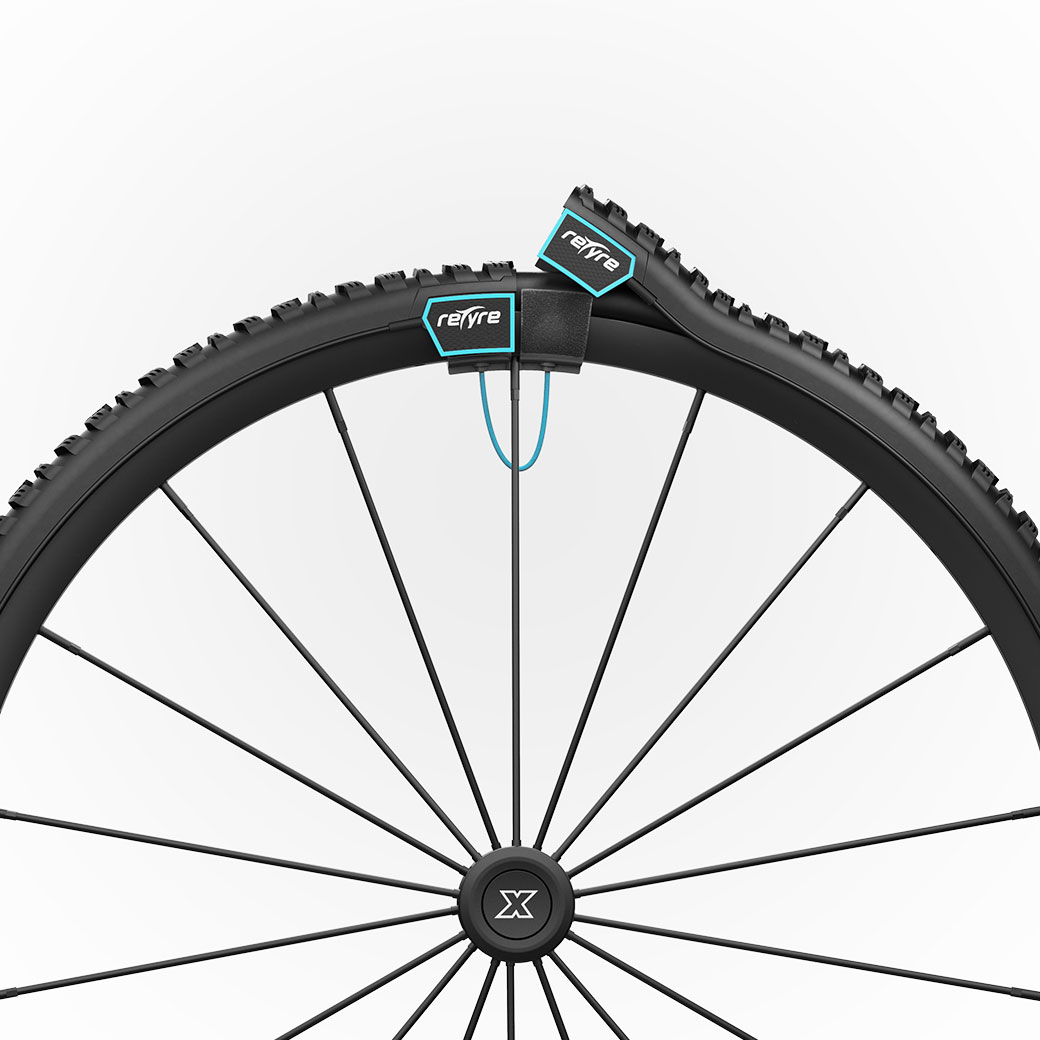
Small upgrades to your chair can make a big difference on carpet.
Add Non-Slip Tire Covers
Products like 24” Wheelchair Tyre Covers (€14.44) fit over existing tires. Made from wear-resistant PVC, they:
– Protect carpet from marks
– Improve grip on smooth floors
– Slightly reduce rolling resistance
Check compatibility with your tire size before purchasing.
Keep Tires Properly Inflated
Under-inflated tires sink into carpet, increasing effort. Keep tires inflated to the maximum recommended PSI. High pressure reduces surface deformation and improves roll. Check pressure monthly, especially if you use your chair daily.
Choose Larger Wheels When Possible
Larger diameter wheels (24” or 26”) roll over carpet more easily than smaller ones. If purchasing a new chair, consider models with bigger rear wheels for better performance on soft surfaces.
Apply Smart Mobility Techniques
Even with equipment, technique reduces strain.
Build Momentum Before Entering Carpet
Use the running push technique:
1. On hard flooring, give 3–4 strong pushes.
2. Carry that momentum into the carpeted zone.
3. Keep arms engaged to power through without stopping.
This prevents getting “stuck” at the threshold.
Keep Wheels Clean
Dirt and debris on tires increase friction. Wipe wheels weekly with a damp cloth to ensure optimal contact with flooring.
Avoid Pausing Mid-Carpet
Stopping in the middle of a carpeted area increases the effort needed to restart. Plan movements to minimize pauses on high-resistance surfaces.
Focus Upgrades on Key Areas to Save Money
You don’t need to cover every room—target high-traffic zones.
Cover Primary Pathways Only
Install runners or panels along the bedroom-to-bathroom or kitchen-to-living room route. This cuts cost while maximizing independence.
Use Furniture Risers
Raise beds, sofas, and desks to wheelchair seat height (17–19 inches). This makes transfers easier and reduces the need to roll over long carpet stretches.
Rearrange for Clear Access
Ensure 32–36 inches of clearance around furniture. Remove loose rugs, cords, and clutter from mobility paths. Tape cables to walls or use cable protectors to prevent entanglement.
Enhance Lighting and Storage for Full Accessibility
Accessibility goes beyond flooring.
Install Voice-Controlled Lights
Use smart bulbs (e.g., Alexa or Google Home compatible) for hands-free operation. Place touch lamps within reach of seating and bed areas.
Lower Storage Zones
Mount shelves, hooks, and cabinets below 48 inches. Use pull-out bins and turntables for easy access to kitchen and closet items.
Add Microwave Lifts
Install appliance lifts or turntables to bring microwaves and small devices to usable heights.
Final Note: The best wheelchair on carpet solutions combine smart flooring choices, practical products, and adaptive techniques. Start small—lay a runner on your main path, test tire pressure, or rearrange furniture. Involve the wheelchair user in every decision: comfort, safety, and independence depend on personal feedback. With the right approach, carpet doesn’t have to mean compromise.