
For someone who uses a wheelchair full-time due to paralysis, chronic pain, joint instability, or neuromuscular conditions, even basic hygiene like washing hair can become an overwhelming challenge. Standard showers, sinks, and tubs are often inaccessible. Transferring poses risks of dislocation, fatigue, or injury. And leaning forward—even slightly—can trigger pain, breathing difficulties, or spinal strain. As a result, many go weeks or months without a proper shampoo, leading to matted hair, greasy buildup, painful scalp conditions like psoriasis, and even infections.
But going without clean hair shouldn’t be the only option. With the right tools and techniques, you can wash a wheelchair-bound person’s hair safely, comfortably, and without transferring from the chair. This guide covers proven, medically sound methods used by caregivers, occupational therapists, and individuals managing complex conditions like Ehlers-Danlos Syndrome, cranio-cervical fusion, or severe sacral deformities. Whether you’re a family caregiver, a personal aide, or someone managing their own care, these strategies prioritize safety, dignity, and scalp health—no standing, no transfers, no mess.
Use a Hair Funnel for No-Lean Washing
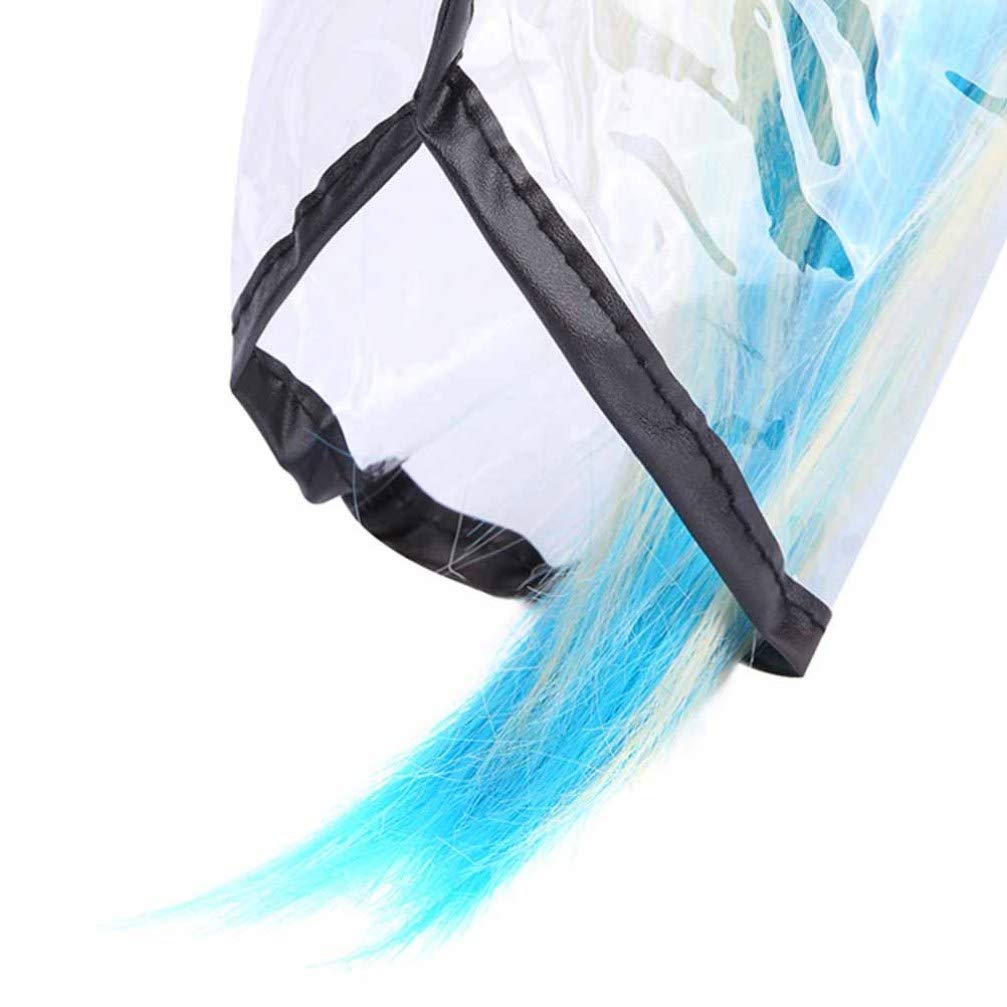
The Hair Funnel is one of the most effective tools available for washing hair while seated upright in a wheelchair. Originally designed for mobile stylists, it’s now widely used in home care for people with limited mobility.
How the Hair Funnel Works
This device functions like a shower cap with a built-in drainage system. The user’s hair is fed through a central opening, and water flows down the back into a catch basin—without soaking clothes or requiring forward leaning.
- Place the funnel over the head, pulling hair through the central opening.
- Secure the front with adjustable Velcro—snug, not tight.
- Use a handheld sprayer or pitcher to wet, shampoo, and rinse.
- Water exits via an angled spout directly into a bucket or drain.
No reclining. No transfer. The person stays dry from the shoulders down.
Why It’s Ideal for Wheelchair Users
- ✅ Works with zero recline or minimal backrest adjustment
- ✅ Prevents water from running into eyes, ears, or clothing
- ✅ Preserves makeup, clothing, and dignity
- ✅ Portable—fits in a car or storage bag
- ✅ Safe for those with neck instability or fusion
Caregivers report this method dramatically reduces strain and increases hygiene compliance, especially for those on strict medicated shampoo regimens.
Setup Tips for Best Results
- Position the wheelchair near a sink or floor drain.
- Attach a handheld sprayer to a kitchen or bathroom faucet.
- Drape a plastic cape or towel over shoulders to prevent splash.
- Place a collapsible basin under the funnel’s outlet to catch runoff.
- Dry hair with a microfiber towel—blot gently to minimize frizz and breakage.
Pro Tip: For thick or curly hair, section the hair before inserting into the funnel to avoid clogging and ensure even rinsing.
Try a Mobile Hair-Washing Sink
If frequent washing is needed and space allows, a mobile shampoo sink offers a salon-grade solution for wheelchair users.
Features of a Wheelchair-Compatible Sink
- Curved basin that fits behind the head while seated
- Adjustable height and angle
- Compatible with wheelchairs that recline up to 45°
- Includes drainage hose or removable catch pan
The user reclines slightly, rests their head on the cushioned edge, and the caregiver washes and rinses just like in a professional salon.
When to Consider This Option
- Weekly medicated shampoos are required for psoriasis or seborrheic dermatitis
- No-rinse products don’t provide adequate cleansing
- Caregiver has storage space and consistent access
Occupational therapists often recommend these after evaluating the home environment, especially for long-term care planning.
Limitations to Know
- Requires storage and setup time
- May not fit in small bathrooms
- Some models are expensive—but built to last
- Entry for non-family caregivers may be restricted due to fragrance sensitivities or medical protocols
Alternative: Virtual OT consultations can assess your needs via video and recommend specific models without requiring in-person visits.
Use an Inflatable Shampoo Basin (Bed Method)
For those who can lie down safely—even briefly—an inflatable shampoo basin allows full rinsing without transferring to a shower.
How to Set It Up
- Lay a waterproof bed pad under the shoulders.
- Inflate the basin and slide it under the head.
- Use a handheld sprayer or jug to wet and rinse hair.
- Drain water through the attached tube into a bucket.
- Repeat as needed for complete rinsing.
This mimics a salon sink while allowing the person to remain in bed.
Best For
- Nighttime routines
- Individuals who recline fully in bed
- Those with mild transfer ability or temporary positioning
Not Suitable If
- Lying flat causes pain, breathing issues, or joint subluxation
- The person cannot be moved even slightly
- High risk of dislocation during repositioning
Note: Some users adapt the basin behind the headrest in a fully reclined wheelchair—but success depends on headrest height and neck support.
Adapt the Kitchen Sink for Reclined Washing
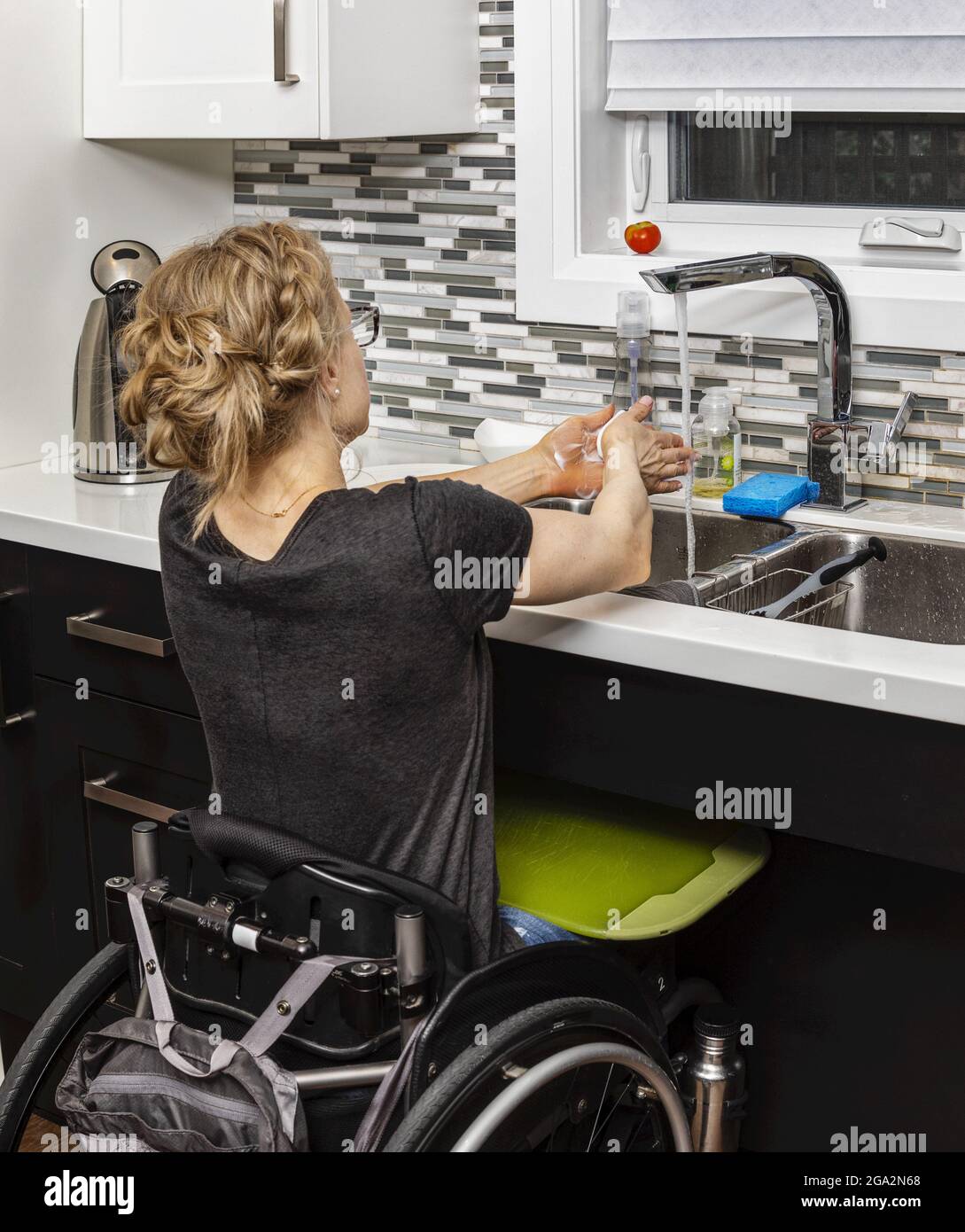
When specialized tools aren’t available, the kitchen sink can be a practical alternative—if the wheelchair fits and reclines.
Step-by-Step Setup
- Position the wheelchair perpendicular to the sink, facing away.
- Recline the backrest as far as safe (up to 45°).
- Support the neck with a rolled towel.
- Rest the head over the sink edge.
- Use a kitchen sprayer hose to wet and rinse.
- Place a towel or basin under the sink to catch drips.
This avoids floor-level bending and gives the caregiver better access.
Overcome Common Obstacles
- High headrest? Remove or lower it if safe.
- Short caregiver? Use a step stool.
- Hip or sacral pain? Limit recline angle and shorten wash time.
- Fragrance sensitivity? Clean the sink with unscented soap first.
Safety First: Lock wheelchair brakes and use non-slip mats under wheels.
Avoid No-Rinse Shampoos (Unless Temporary)
Foaming no-rinse cleansers are often recommended—but they’re not a long-term solution for medical scalp conditions.
Why They Fall Short
- ❌ Leave residue that builds up over time
- ❌ Don’t remove scale from psoriasis or seborrheic dermatitis
- ❌ Many are heavily fragranced—dangerous for sensitive individuals
- ❌ Can make hair feel greasy or matted
For someone with plaque psoriasis, rinsing is medically necessary. No-rinse products simply don’t cut it.
When to Use Them
- As a quick freshen-up between medicated washes
- During illness or flare-ups when full washing isn’t possible
- For caregivers needing a low-effort interim option
Always choose fragrance-free, hypoallergenic formulas. Test on a small skin patch first.
Pair Tools with a Handheld Sprayer

No matter which method you choose, a handheld showerhead or sink sprayer is essential for control and comfort.
Benefits of a Spray Wand
- Directs water precisely
- Reduces splashing
- Allows gentle pressure—ideal for sensitive scalps
- Works with kitchen faucets, mobile sinks, or basins
Attach via a hose extender that screws onto standard faucets.
Installation Tips
- Use a gooseneck or pull-out kitchen sprayer if possible
- Ensure hose length reaches from sink to reclined head
- Choose a model with a pause button
- Keep water lukewarm—avoid extremes that trigger pain
Pro Tip: Store the sprayer in a ziplock bag between uses to prevent mineral buildup.
Consult an Occupational Therapist (OT)
Even if in-person visits aren’t possible, virtual OT consultations can transform your approach.
What OTs Can Help With
- Assess home layout, wheelchair type, and physical limits
- Recommend specific tools (e.g., Hair Funnel, basin, sink)
- Train caregivers in safe positioning and technique
- Suggest custom modifications
OTs specialize in daily living tasks—not employment. Don’t let the name confuse you.
How to Access OT Support
- Ask your doctor for a referral
- Check insurance for covered home health OT
- Search for telehealth OT services
- Share photos or videos of your space for remote evaluation
Early planning is key: As mobility declines, options narrow. Get advice now.
Protect Scalp Health with Medicated Shampoos
For psoriasis, seborrheic dermatitis, or oily buildup, regular medicated washing is medical care—not luxury.
Recommended Ingredients
- Coal tar: Slows skin cell turnover
- Salicylic acid: Exfoliates thick plaques
- Ketoconazole: Fights fungal dandruff
- Zinc pyrithione: Reduces inflammation
Use rotationally, based on dermatologist guidance.
Washing Frequency
- Aim for once per week if tolerated
- Increase during flares; decrease if skin becomes dry
- Always rinse thoroughly to prevent irritation
Brush gently before washing to loosen scales.
Follow Caregiver Best Practices
Washing hair isn’t just about tools—it’s about safety, technique, and respect.
Safety Checklist
- 🔒 Lock wheelchair brakes
- 🛑 Use non-slip mats
- 🗣️ Ask about pain or discomfort
- 🧼 Use fragrance-free products
- 🪣 Have all supplies ready
Dignity-Preserving Tips
- Cover shoulders with a plastic cape
- Maintain eye contact
- Let the person guide pace and pressure
- Keep the room warm
Ergonomics for Caregivers
- Use a step stool
- Bend at knees, not back
- Take breaks
- Rotate duties if possible
Remember: Your well-being matters too.
Address Special Medical Needs
Neck Instability or Fusion
- Never force head movement
- Support head with hands or towels
- Use upright methods like the Hair Funnel
Fragrance Intolerance
- Ban all scented products
- Wash hands with fragrance-free soap
- Verify ingredients—avoid “parfum” or “perfume”
Sacral or Hip Deformities
- Avoid painful positions
- Use minimal recline
- Pad bony areas with towels
Plan for Long-Term Success
Start early with scalable solutions.
- Schedule washes weekly or biweekly
- Train backup caregivers
- Document what works
- Explore roll-in showers or ceiling lifts for the future
Washing the hair of a wheelchair-bound person isn’t just about cleanliness—it’s about dignity, health, and quality of life. With tools like the Hair Funnel, handheld sprayers, and OT guidance, it’s entirely possible to maintain scalp hygiene without transfers, pain, or mess. Start with one solution that fits your space and abilities. Test it. Adapt it. Make it work. Because everyone deserves to feel clean, cared for, and human—no matter how they sit.