
A clean wheelchair isn’t just about appearance—it’s critical for hygiene, safety, and long-term performance. Whether you use a manual or power wheelchair daily, it accumulates sweat, dirt, spills, and bacteria that can lead to skin infections, unpleasant odors, or mechanical failure. For individuals with incontinence, limited mobility, or frequent outdoor use, regular cleaning becomes even more essential. The good news? With the right tools, techniques, and schedule, you can keep your wheelchair in top condition without risking damage. This comprehensive guide covers everything from quick daily wipe-downs to deep sanitization, emergency cleanup, and long-term maintenance—so you can ensure your chair stays safe, functional, and germ-free.
Daily Cleaning Routine to Prevent Buildup
Wipe Down High-Touch Surfaces Every Day
Start each day by disinfecting the parts you touch most. These areas—like hand rims, armrests, and control panels—collect the most germs and should be cleaned with a damp microfiber cloth and an EPA-approved disinfectant. Focus on:
– Hand rims (especially on manual wheelchairs)
– Armrests and push handles
– Footrests and wheel locks
– Joystick and control panel (on power chairs)
Use hospital-grade disinfectant wipes or spray cleaner onto a cloth—never directly onto the chair—to avoid moisture seeping into electronics. Let the solution sit for the recommended dwell time (typically 1–10 minutes) before wiping dry. This simple act significantly reduces the risk of infection, especially in group homes or healthcare settings.
Pro Tip: Keep a small cleaning kit in your wheelchair bag: microfiber cloths, disinfectant wipes, and a travel-sized bottle of mild soap.
Clean Spills and Debris Immediately
If food, liquid, or dirt gets on your seat or frame, clean it right away. Blot liquids gently—don’t rub—to prevent spreading. For quick cleanup, baby wipes or a damp cloth work well. Sticky messes? Mix a drop of Dawn dish soap with water and apply with a soft cloth. Always follow up with a disinfectant to sanitize the area and prevent bacterial growth.
Weekly Deep Cleaning for Full Hygiene
Vacuum and Remove Dust and Debris
Once a week, give your wheelchair a thorough cleaning. Begin by vacuuming the seat, backrest, and crevices using a handheld attachment. This removes crumbs, pet hair, dust, and dead skin—common allergens and odor sources. Pay special attention to:
– Under armrests
– Around joystick bases
– Between wheel spokes
– Where cushions meet the frame
Use compressed air to blow out dust from tight spaces, especially around electronics, joints, and caster wheels.
Wipe the Entire Frame and Wheels
Mix warm water with a few drops of mild dish soap or non-toxic all-purpose cleaner. Soak a microfiber towel, wring it well, and wipe the entire frame from top to bottom. Never spray liquid directly onto the chair—this prevents moisture from entering electrical components or bearings.
For stubborn grime, use a soft-bristled brush or toothbrush to scrub:
– Tire treads
– Hand rims
– Wheel locks
– Footrest brackets
Rinse the cloth frequently and finish with a dry towel to prevent water spots or rust.
Monthly Deep Sanitization and Upholstery Care

Clean Upholstery Based on Material Type
Different upholstery materials require different care. Always check the manufacturer’s label before cleaning.
Vinyl and Leather Covers: Wipe with a damp cloth and mild soap. For leather, use a 3:1 vinegar-water solution or a leather-specific cleaner. Dry immediately—wet leather can become slippery and unsafe.
Fabric and Beaded Upholstery: Remove screws and take off the fabric if possible. Hand wash with gentle detergent and air dry in a ventilated area (avoid direct sunlight). Use a toothbrush to clean Velcro and seams. Apply Scotchgard after drying to boost stain resistance.
Through-Tube Upholstery: Detach the fabric tube and remove from the frame. Hand wash and let dry completely. Clean the grooves with a small brush or vacuum nozzle.
Warning: Never machine wash unless the label explicitly allows it.
Steam Clean for Chemical-Free Sanitization
For the deepest clean, use a steam cleaner. It kills 99% of bacteria, viruses, and mold without harsh chemicals—ideal for users with sensitive skin or respiratory issues. Steam clean:
– Fabric upholstery
– Seat cushions
– Hard-to-reach crevices
No rinsing or drying wait—just pass the steamer slowly and let the heat do the work.
How to Clean a Power Wheelchair Without Damaging Electronics
Always Disconnect Power First
Before cleaning any part of a power wheelchair:
1. Turn off the controller.
2. Remove the battery (if accessible).
3. Flip the circuit breaker if present.
This prevents electrical shorts, especially when cleaning near the joystick, motor, or battery compartment.
Clean Electronics Safely
Never spray liquids directly on the joystick, control panel, or battery housing. Instead:
– Use compressed air to remove dust from ports and crevices.
– Dampen a microfiber cloth with disinfectant and gently wipe the joystick boot, buttons, and housing.
– Use a toothbrush for tight spots.
Quantum Wheelchair Warning: Do not use lubricants or abrasive cleaners on power chairs. Wipe with a dry cloth only.
Reassemble Only When Completely Dry
After cleaning, let all components air dry thoroughly—especially battery compartments and upholstery—before reattaching the battery or using the chair. Moisture left inside can cause corrosion or electrical failure.
Emergency Cleaning: Vomit and Incontinence
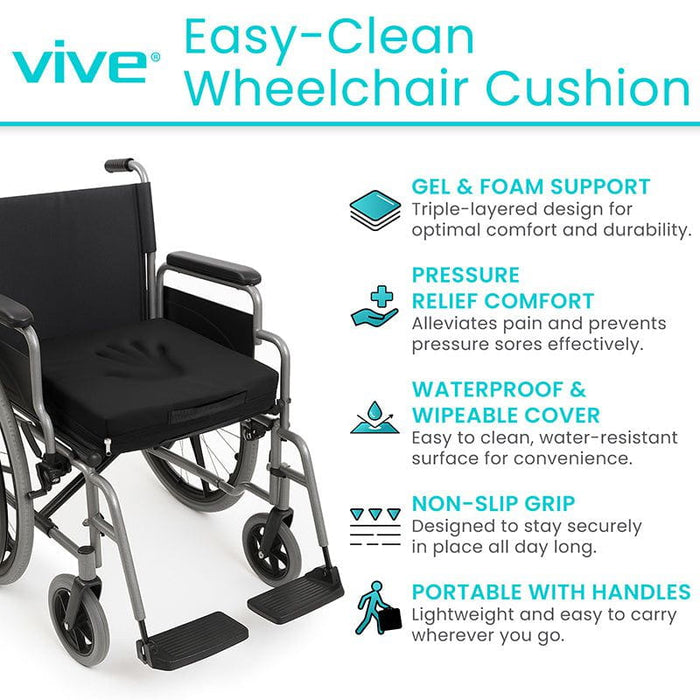
How to Clean Vomit from a Wheelchair
Act fast to prevent stains and odors:
1. Blot excess with paper towels—don’t rub.
2. Use disinfectant wipes or baby wipes for initial clean.
3. For fabric seats:
– Spray with Dawn and water solution.
– Scrub gently with a terry cloth.
– Rinse with a damp (not wet) cloth.
4. For non-removable covers, use a handheld carpet cleaner or steam cleaner.
5. Neutralize odor with an enzyme cleaner like Nature’s Miracle.
6. Air dry fully in sunlight if possible.
Warning: Never hose down the chair. Cover wheels with garbage bags if cleaning in a bathtub.
Incontinence Cleanup: Urine and Feces
Respond immediately:
1. Blot urine; carefully remove solids.
2. Place double-layered Chux pads or puppy pads under the user.
3. Layer with towels for extra absorption.
4. Clean affected areas with:
– Enzyme cleaner (breaks down organic matter)
– Odoban Disinfectant (hospital-grade, safe for repeated use)
Prevent Future Messes:
– Use a washable gel seat pad with a removable cover.
– Apply Scotchgard to fabric for stain resistance.
– Avoid plastic covers—they cause sweating and skin breakdown. Use waterproof incontinence pads instead.
User Tip: “I use Odoban—it works very well and is used in institutional settings.” – DebN8or
5 Common Wheelchair Cleaning Mistakes to Avoid
1. Never Submerge or Hose Down the Chair
Water can:
– Rust axles, bearings, and joints.
– Damage motors and electronics.
– Degrade upholstery adhesives.
Even “water-resistant” doesn’t mean “washable.” Always keep the frame dry.
2. Avoid Harsh Chemicals
Never use:
– Bleach (fades colors, damages vinyl)
– Ammonia (corrodes metal)
– Petroleum-based cleaners (break down rubber)
– Steel wool or abrasive pads (scratch surfaces)
Stick to mild dish soap, non-toxic cleaners, or EPA-approved disinfectants.
3. Don’t Confuse Cleaning with Sanitizing
- Cleaning removes dirt.
- Sanitizing kills germs.
Follow a soapy wipe with a hospital-grade disinfectant or steam cleaning for true hygiene.
4. Never Scrub Aggressively
Scrubbing can:
– Tear upholstery seams.
– Loosen Velcro.
– Scratch anodized finishes.
Let the cleaner sit longer instead of scrubbing harder.
5. Don’t Clean Alone If Mobility Is Limited
Full cleaning requires bending, lifting, and reaching. Ask a caregiver for help—especially when removing batteries, detaching cushions, or flipping the chair.
Best Cleaning Supplies for Your Wheelchair
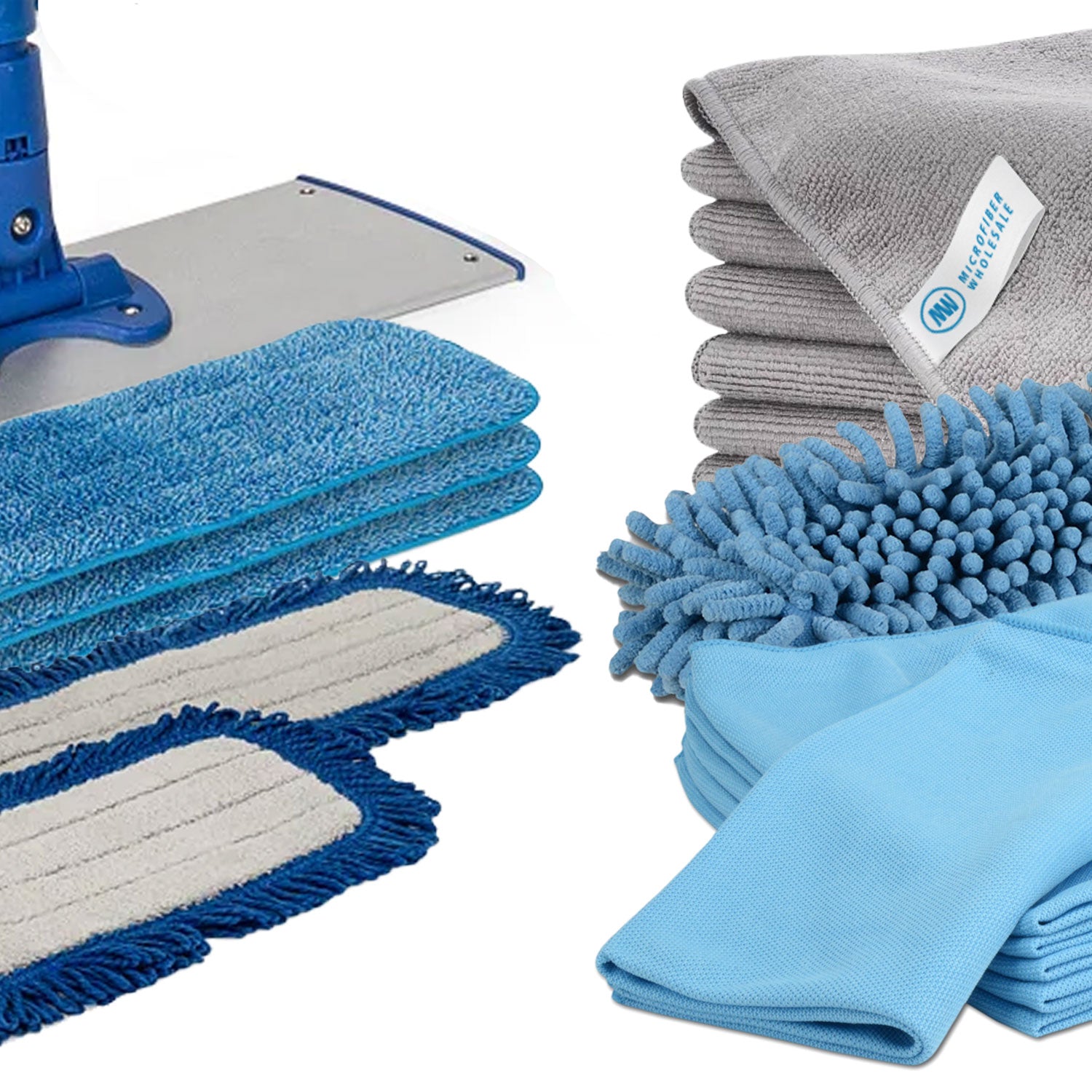
Essential Tools
- Microfiber towels
- Soft-bristled brush or toothbrush
- Compressed air can
- Handheld vacuum
- Spray bottle
Recommended Cleaners
| Product | Use Case |
|---|---|
| Dawn dish soap | Cuts grease, vomit, food stains |
| Simple Green (diluted) | General frame cleaning |
| Odoban Disinfectant | Incontinence, daily sanitizing |
| Nature’s Miracle | Enzyme cleaner for urine, feces, vomit |
| Vinegar-water (3:1) | Leather and non-porous surfaces |
| Steam cleaner | Full sanitization without chemicals |
Optional: Apply non-abrasive wax to the frame every 3 months for shine and protection.
Long-Term Maintenance Schedule
Weekly Power Chair Checks
- Test electric brakes: Push joystick slightly—should hear a click.
- Check tire pressure (if pneumatic).
- Inspect controller harness for fraying.
Monthly Inspections
- Check anti-tip wheels for ground contact.
- Look for caster flutter or loose forks.
- Inspect drive tires for wear.
- Tighten loose hardware.
- Clean shocks and dampers.
Yearly Professional Service
Schedule an annual check-up with an authorized provider for:
– Electrical diagnostics
– Mechanical adjustments
– Full safety inspection
Quantum Recommendation: Yearly maintenance prevents breakdowns and extends lifespan.
Final Checklist: Wheelchair Cleaning Routine
✅ Daily
– Wipe hand rims, armrests, push handles, controls
– Remove debris and spills
– Check for moisture or odors
✅ Weekly
– Vacuum seat and crevices
– Wipe down entire frame
– Clean wheels and joints
– Inspect for damage
✅ Monthly
– Deep clean upholstery (remove if possible)
– Steam clean or disinfect
– Re-lubricate axles (manual chairs only)
– Check tire pressure and hardware
✅ Yearly
– Schedule professional inspection
– Full system check by authorized provider
Final Note: Always consult your wheelchair’s owner’s manual for model-specific care. Never use bleach, never soak the frame, and always dry thoroughly. Prevention is your best tool—use protective pads, covers, and daily wipe-downs to minimize deep cleaning. And when in doubt? “Sit cushions out in the sun”—UV rays naturally kill germs and eliminate odors.