
If you’re looking for a meaningful way to support someone who uses a wheelchair, making a custom wheelchair blanket is both practical and deeply personal. Unlike standard throws that slip off or drag on the ground, a well-designed wheelchair blanket stays securely in place, provides full warmth, and enhances independence. Whether you’re sewing, quilting, or crocheting, this guide walks you through every step—from choosing the right dimensions and materials to adding smart features like foot pockets, elastic loops, and waterproof layers. You’ll learn how to create a blanket that’s safe, warm, washable, and tailored to real-life mobility needs.
Choose the Right Size for Full Coverage and Safety
Measure Before You Cut Any Fabric
One size does not fit all when it comes to wheelchair users. Body posture, wheelchair design, and leg positioning vary widely—so custom sizing is essential.
Start by measuring:
– Width: Across the user’s lap or the wheelchair seat, plus 2–4 inches for full coverage.
– Length: From waist or chest down to the feet, ensuring the bottom edge clears the wheels by 1–2 inches.
Common size ranges:
– Adult lap quilt: 33″ × 41″
– Full-length adult quilt: 50″ wide × 70″ long
– Child-sized quilt: Reduce proportionally based on height and chair size
– Fleece foot pocket blanket: 48″ × 30″ (allows 12″ for the foot pouch)
💡 Pro Tip: Use a durable fabric like an old tablecloth to create a test template. Fold it in half, mark your measurements, cut, and drape it over the seated user. Adjust as needed before cutting your final materials.
Pick Safe, Durable, and Weather-Resistant Materials
Avoid Cotton Exteriors—They’re a Hidden Risk
Cotton absorbs moisture and loses insulation quickly—dangerous for users who can’t shiver or move to warm up. In cold or wet conditions, “cotton kills” is a real safety concern.
Best Inner Layers for Warmth
| Fabric | Why It Works |
|---|---|
| Polar fleece | Lightweight, soft, warm, and machine-washable |
| Flannel | Cozy, breathable; ideal for ragtime quilts |
| Wool | Insulates even when wet; perfect for cold climates |
| Minky fabric | Ultra-soft; great for sensory-sensitive users |
Best Outer Layers for Protection
| Fabric | Best Use Case |
|---|---|
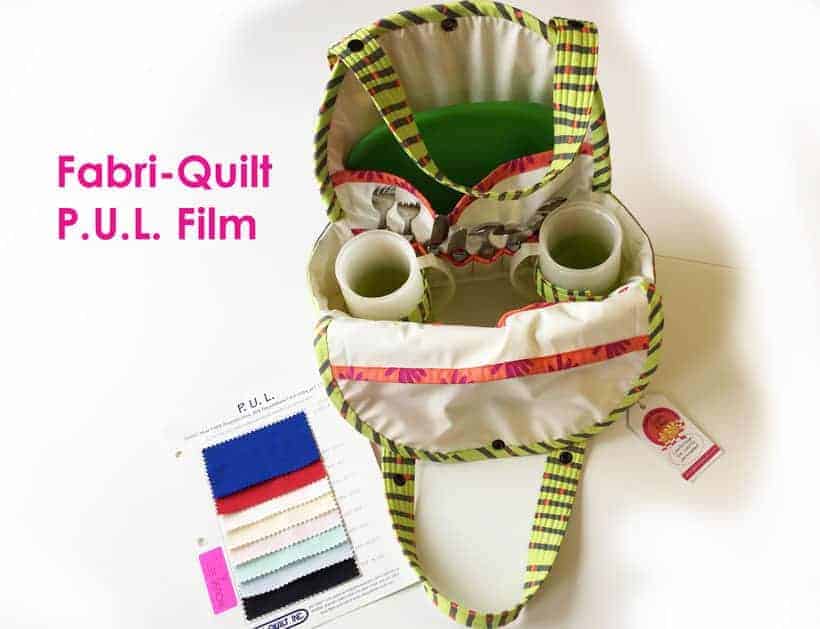
| PUL (Polyurethane Laminate) | Water-resistant, quiet, breathable |
| Coated nylon | Fully waterproof; ideal for rain/snow |
| Waxed cotton | Rustic look; use only for trim or accents |
| Scotch Guard spray | Temporary water resistance on cotton tops |
✅ Recommended System: Two-layer design
– Inner: Fleece or flannel for warmth
– Outer: PUL or coated nylon for weather protection
– Optional: Make inner removable for easy cleaning
Design for Safety: Keep the Blanket Off the Ground
Prevent Tripping and Wheel Damage
A blanket that drags on the floor can get caught in wheels, cause tripping during transfers, or wear out quickly. Always ensure the bottom edge ends 1–2 inches above the ground when the user is seated.
How to Test Clearance:
- Have the user sit in their wheelchair.
- Drape a test fabric over their lap.
- Check that the edge doesn’t touch the floor or wheels.
- Mark the ideal length with a pen or clip.
⚠️ Never let fabric drag—it’s a safety hazard and will compromise the blanket’s lifespan.
Add a Foot Pocket or Toe Box to Keep It in Place
Stop Slipping and Ground Dragging
A foot pocket or 3D toe box keeps the blanket secure and lifts fabric off the floor.
Fleece Foot Pocket (Beginner-Friendly)
- Cut two 48″ × 30″ fleece pieces.
- Fold the bottom 12″ up (right sides together).
- Sew both side seams.
- Turn right-side out → creates an enclosed foot pouch.
✅ Use high-quality anti-pill fleece to prevent stretching and pilling.
Quilted Toe Box (3D Corner)
- After quilting, cut a 6.5″ square from each bottom corner.
- Sew the raw edges together to form a 90° box.
- Rebind the new edge to finish.
💡 Ideal for users with extended legs or orthotics—adds space without bulk.
Secure With Elastic Loops and Adjustable Velcro

Stay-Put Without Restricting Movement
Ties or straps can be classified as restraints in care facilities. Instead, use adjustable elastic loops that hook over the wheelchair back.
How to Attach Elastic Loops:
- Cut four 12″ strips of ¾” wide elastic.
- Stack two per side (double thickness for durability).
- Place 6.5″ down from top edge, aligned with side seams.
- Sew securely with a square or X pattern.
Add Adjustable Velcro:
- Sew hook-and-loop tape (3–4″) to each loop end.
- One side shorter (1.5″), one longer (3″) for tension control.
- Allows reuse across chairs and clothing layers.
🔧 Pro Tip: If loops are too loose, shorten one side to 6″ for a snugger fit.
Include Useful Pockets Without Adding Bulk
Combine Warmth and Utility
Pockets keep hands warm and hold essentials like phones, remotes, or hand warmers.
Pocket Types and Placement
| Type | Where to Place | Features |
|---|---|---|
| Kangaroo pocket | Mid-abdomen | Large, cozy, easy access |
| Phone/storage pocket | On top of kangaroo | Holds devices, gloves |
| Dual-layer pocket | Inner flannel + outer fabric | Adds insulation |
| Rounded corners | Lower edges | Prevents snagging on feet |
✂️ Round corners reduce bulk—use a spoon or template to trace smooth curves.
Create a Neck Opening for Full-Body Warmth
Cover Shoulders Without Restricting Movement
For full-length use, a neck opening turns the blanket into a warm, cape-like wrap.
Neck Opening Template (Adult)
- Start with 50″ × 70″ fabric, folded lengthwise.
- Mark center at 25″.
- From top edge:
– Mark 10″ down
– Mark 19″ down - At 19″ point, measure 2.5″ across (centered)
- Mark 0″ and 5″ from that point
- Connect the four points (10″, 19″, 0″, 5″) in a smooth oval
- Cut along line
🧍 Fit Test: Place on seated user, have them lean back, trace hemline with marker.
For Children:
- Reduce neck height from 9″ to 6″
- Add Velcro, button, or tie at neck for adjustability
- Trim excess above waist if needed
Step-by-Step Construction Methods
1. Fleece Foot Pocket Blanket (Beginner-Friendly)
Best for: Quick, warm, secure blanket
Materials:
- 2 × 48″ × 30″ fleece pieces
- 4 × 12″ elastic strips
- ¾” sew-on Velcro
- Sewing machine, binder clips
Steps:
- Layer fleece (right sides together), clip edges.
- Attach elastic loops at back (6.5″ from top).
- Sew around with ½” seam, leave 4″ gap.
- Turn right-side out, hand-stitch gap closed.
- Fold bottom 12″, sew sides to create foot pocket.
- Add Velcro to elastic ends for adjustability.
✅ Done in under 2 hours—perfect for first-timers.
2. Ragtime Quilt (No Quilting Needed)
Best for: Soft, textured, cozy blanket—great for sensory needs
Materials:
- 30 × 9″ flannel squares (front and back)
- 30 small batting scraps
- Fabric marker, small scissors
Steps:
- Mark X on back of each square.
- Layer: flannel, batting, flannel.
- Sew along X lines (¼” seam); chain piece all blocks.
- Arrange in 5×6 grid, sew into rows, press seams open.
- Sew 1″ border around entire quilt.
- Clip all seam allowances close to stitching.
- Wash and dry—lint trap required.
🌟 Result: Fluffy, ruffled blanket that gets softer with each wash.
3. Crocheted Shell Blanket (Child Size)
Best for: Decorative, expandable design
Foundation:
- Chain 23 (adjust for size)
- Use Caron One Pound or similar bulky yarn
Rounds:
- Round 1: V-stitch (
dc, ch1, dc) in every 5th chain; corner = 3 V-stitches - Round 2:
scin ch-1 space, then 7 dc per V-stitch - Round 3: Define corners with ch5 and V-stitches
- Round 4: Interlock shells by sc into ch5 space, trapping chain
- Repeat Rounds 3–4 to grow symmetrically
🧶 Pro Tips:
– Weave in ends with tapestry needle (3 passes)
– Change colors every few rounds for visual interest
– Start each round at a corner for alignment
4. Full-Length Quilt With Neck Opening
Best for: Donations, gifts, full coverage
Steps:
- Create template using 50″ × 70″ fabric and neck oval pattern.
- Test on user, trace hemline while seated and leaning back.
- Cut front and back from template.
- Layer with batting, quilt as desired.
- Bind edges, add optional shoulder loops.
- Optional: Add kangaroo pocket mid-abdomen.
✅ Ideal for quilt guilds donating to nursing homes.
Special Considerations for Donations and Institutions
For Nursing Homes and Care Facilities
Avoid items that could be seen as restraints.
Do:
- Use elastic loops (not ties or straps)
- Choose flannel backing to prevent slipping
- Offer sports, solid, or regional themes
- Make pockets optional and simple
- Use machine-washable, durable fabrics
Don’t:
- Use curved or fiddly pockets
- Add long ties or buckles
- Use 100% cotton exteriors in wet conditions
Waterproofing Options That Work
| Method | Best For | Limitations |
|---|---|---|
| PUL outer layer | Everyday spills, light rain | Water-resistant, not fully waterproof |
| Coated nylon cover | Heavy rain, snow | Can be noisy; may need snaps |
| Waxed cotton | Aesthetic trim | High maintenance; degrades |
| Scotch Guard spray | Quick fix on cotton | Temporary; reduces breathability |
✅ Top Pick: PUL outer with removable fleece liner—easy to clean and highly effective.
Find Patterns and Join Supportive Communities
Free and Commercial Resources
- Lovie Lap Quilt Pattern (Etsy): Includes pockets and foot pouch
- World of Sewing Tutorial: Free downloadable pattern with toe pocket
- Quilted Hug Project: “Restaurant wrap” style—tapered end avoids wheels
- Jenny’s Blipper Quilt: Popular after early DIY trials
Online Communities
- r/MYOG (Make Your Own Gear): Reddit group for DIY mobility and outdoor gear
- Fat Quarter Shop: Premium flannels (Winterfrost, Snow Is Falling)
- Local quilt guilds: Often donate to rehab centers and senior homes
Final Tips for a Successful Wheelchair Blanket
Key Takeaways
- Always test-fit on the user in their wheelchair.
- Avoid cotton exteriors in wet or cold conditions.
- Use quality materials—they last longer and perform better.
- Prioritize function, but don’t skip personal style.
- Document your design—others may want to replicate it.
Top Recommendations by Use Case
| Need | Best Design |
|---|---|
| Beginner | Fleece foot pocket blanket |
| Maximum warmth | Ragtime flannel quilt |
| Outdoor/wet weather | Two-layer PUL + fleece |
| Gift or donation | Custom quilt with neck opening |
| Child user | Crocheted shell or adjustable neck quilt |
A homemade wheelchair blanket isn’t just fabric—it’s dignity, warmth, and independence wrapped in care. Start simple, measure carefully, and let purpose guide your stitches. With the right design, it can become a daily companion that’s safe, functional, and deeply personal.