
For the 3.3 million Americans who rely on a wheelchair, mobility isn’t just about moving from point A to point B—it’s about reclaiming control, dignity, and the ability to live fully. A wheelchair is far more than an assistive device; it’s a powerful tool that restores independence, prevents serious health complications, and opens doors to social, emotional, and economic participation. Whether due to aging, spinal cord injury, cerebral palsy, or chronic illness, limited mobility can quickly isolate individuals and erode confidence. But with the right wheelchair, users gain the freedom to navigate daily life safely, maintain physical health, and engage meaningfully with the world around them. From preventing pressure sores to enabling eye-level conversations, the benefits of a wheelchair span physical, psychological, and social dimensions—backed by clinical research and real-life impact.
Regain Independence and Take Control of Daily Life
One of the most immediate and profound benefits of using a wheelchair is the restoration of personal autonomy. Many people avoid asking for help not because they don’t need it, but because they value self-reliance. A properly fitted wheelchair changes that dynamic by putting the user in control.
Move Freely Without Relying on Others
With a wheelchair, you can go to the kitchen for a snack, get dressed, or run errands—all without waiting for assistance. Self-propelled models, whether manual or power-driven, allow you to decide when and where to move. This level of independence reduces frustration and builds self-confidence. As one expert notes, “A wheelchair can give back the feeling of independence and freedom to someone who might have previously felt dependent and restricted.” This aligns with the United Nations Convention on the Rights of Persons with Disabilities (UNCRPD), which recognizes mobility devices as essential for exercising basic human rights.
Perform Everyday Tasks with Confidence
Modern wheelchairs are designed for real-world living. Features like removable armrests, adjustable footrests, and lightweight frames make transfers easier and safer. Custom models even offer standing capabilities, allowing users to reach high shelves, wash dishes, or interact at eye level—critical for maintaining dignity and practical independence. Whether dressing, cooking, or managing personal hygiene, a well-chosen wheelchair empowers users to participate fully in daily routines.
Prevent Falls and Enhance Personal Safety
Mobility impairments significantly increase the risk of falls, especially at home. Attempting to walk with poor balance, muscle weakness, or fatigue can lead to serious injuries. A wheelchair provides a stable, supported alternative.
Reduce the Risk of Trips and Slips
For older adults or those recovering from stroke, surgery, or neurological conditions, walking unaided can be dangerous. Wheelchairs eliminate this hazard by offering secure, controlled movement. Anti-tip wheels and stable seating prevent tipping during transfers or on uneven surfaces.
Built-In Safety Features for Peace of Mind
Today’s wheelchairs come equipped with multiple safety enhancements:
– Locking brakes prevent unintended movement during transfers
– Seat belts provide added stability
– Anti-tip mechanisms guard against backward falls
– Adjustable center of gravity ensures balance tailored to the user
Regular maintenance—checking tire pressure, brake function, and hardware integrity—ensures long-term reliability and prevents mechanical failure.
Improve Posture and Support Spinal Health
.webp)
Poor posture doesn’t just cause discomfort—it impacts breathing, digestion, and long-term musculoskeletal health. For individuals with paralysis, spasticity, or neuromuscular disorders, incorrect seating can lead to chronic pain and spinal deformities.
Maintain Proper Spinal Alignment
Custom wheelchairs provide tailored support through:
– Adjustable backrests
– Lateral trunk supports
– Pelvic positioning belts
– Contoured, pressure-relieving cushions
These features keep the spine in a neutral position, reducing strain on joints and muscles. Proper alignment also improves diaphragm function, enhancing lung capacity and oxygen intake.
Prevent Long-Term Musculoskeletal Damage
Without proper support, prolonged sitting can lead to scoliosis, kyphosis, or pelvic obliquity. Custom seating systems distribute weight evenly and maintain healthy joint angles, significantly reducing the risk of irreversible damage.
Prevent Pressure Sores with Advanced Seating Technology
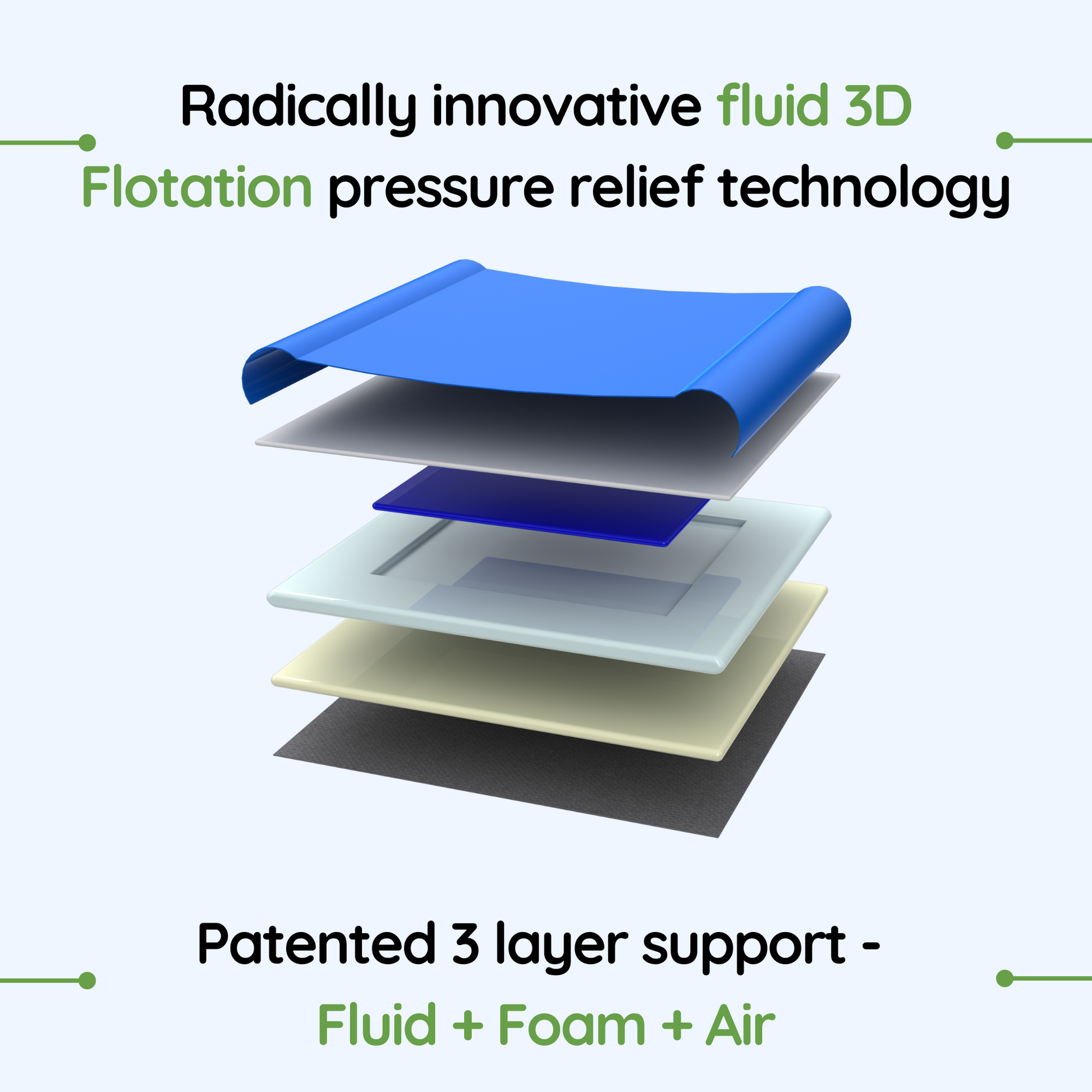
Pressure injuries (or pressure ulcers) are a leading concern for wheelchair users. Prolonged pressure on bony areas like the sacrum, hips, and shoulder blades cuts off blood flow, leading to tissue breakdown.
Use High-Performance Cushions for Pressure Relief
Specialized cushions use advanced materials to disperse pressure:
– Gel inserts conform to body shape
– Air cells adjust to weight distribution
– High-density foam resists compression
– Polymer straps (like Broda’s Comfort Tension Seating®) mold dynamically to the user
These systems reduce peak pressure points and promote skin health.
Tilt, Recline, and Stand to Break Pressure Cycles
Tilt-in-space and recline functions allow weight redistribution without changing hip angle—ideal for users who can’t shift independently. Standing wheelchairs go further by transferring body weight to the feet, giving skin a vital break. Even short daily standing sessions dramatically reduce ulcer risk.
Strengthen Bones, Joints, and Muscles
Prolonged sitting leads to bone loss, joint stiffness, and muscle contractures. Movement and weight-bearing are essential for musculoskeletal health—especially for those with spinal cord injuries or neuromuscular conditions.
Boost Bone Density Through Standing
Standing wheelchairs allow safe weight-bearing, stimulating bone growth and slowing osteoporosis. This is especially crucial for individuals at high risk of fractures due to immobility.
Prevent and Reverse Muscle Contractures
Without regular stretching, muscles shorten and joints stiffen. Standing wheelchairs extend the hips, knees, and ankles, preserving range of motion. This is vital for children, whose skeletal development depends on consistent movement.
Support Healthy Skeletal Development in Children
Early use of standing devices helps prevent deformities like windswept hips or foot deformities. It also promotes hip alignment, spine formation, and joint flexibility—laying the foundation for lifelong health.
Enhance Circulation, Breathing, and Organ Function
Sitting for long periods slows blood flow and restricts lung expansion. Both issues increase health risks—but proper wheelchair use can reverse them.
Improve Blood Flow and Reduce Swelling
Standing and tilt functions enhance venous return, reducing lower-limb swelling and the risk of deep vein thrombosis (DVT). Manual wheelchair users also benefit from upper-body propulsion, which acts as cardiovascular exercise.
Expand Lung Capacity and Reduce Infections
Upright positioning allows the diaphragm to move freely, increasing oxygen intake. This is especially beneficial for users with weakened respiratory muscles due to conditions like muscular dystrophy.
Support Digestion and Bladder Health
Gravity plays a key role in bodily functions. Sitting upright improves gastrointestinal motility and promotes complete bladder emptying.
Aid Digestion and Reduce Reflux
An upright posture supports better digestion and reduces acid reflux. Users report fewer issues with constipation and bloating when seated properly or using standing functions.
Lower Risk of Urinary Tract Infections
Improved bladder drainage in a seated or standing position reduces urine retention—a major cause of UTIs. This is particularly valuable for individuals with neurogenic bladders.
Build Strength and Improve Motor Skills
Wheelchair use isn’t passive—it actively contributes to physical conditioning and neurological development.
Exercise Upper Body with Manual Propulsion
Pushing a manual wheelchair strengthens arms, shoulders, and core muscles. It also improves cardiovascular endurance and coordination. Rigid-frame models offer efficient propulsion, making them ideal for active users.
Develop Core Control with Standing Transitions
Moving between sitting and standing requires balance and core engagement. Over time, this builds muscle memory, improves head control, and may support partial weight-bearing attempts.
Boost Mental Health and Self-Esteem
Mobility loss often leads to depression, anxiety, and low self-worth. Regaining movement through a wheelchair can reverse these effects.
Reduce Feelings of Helplessness
Being able to move independently restores a sense of control. Users report greater confidence in managing their lives, making decisions, and participating in activities.
“Being able to move around comfortably will improve the user’s mental health by being able to take control of their own life.” — Article 1
Combat Social Isolation
Loneliness is a serious risk for people with mobility limitations. Wheelchairs open doors to social events, community programs, and family gatherings. The ability to leave the house reduces isolation and supports emotional well-being.
Enable Eye-Level Interaction and Inclusion
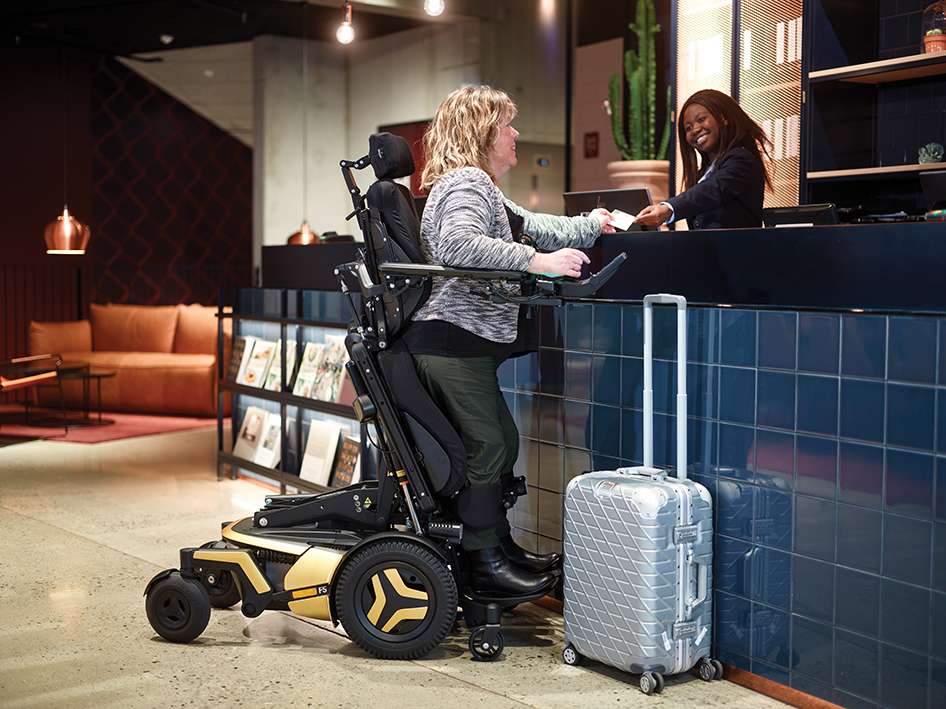
Communication is more natural when people meet at the same height. Traditional wheelchairs place users below standing peers, which can feel disempowering.
Stand for Equal, Respectful Engagement
Standing wheelchairs elevate users to eye level, fostering confident, respectful interactions. Whether talking to a child, greeting a friend, or presenting at work, standing promotes dignity and inclusion.
“The standing function increases overall independence, allowing powerchair users to interact with others socially at eye-level, leading to improved confidence and self-esteem.” — Article 4
Access Education, Work, and Civic Life
A wheelchair isn’t just about mobility—it’s a tool for participation.
Pursue Careers and Learning
With reliable mobility, users can attend school, commute to work, and contribute professionally. Accessible workplaces and transportation amplify these opportunities.
Participate in Community Activities
From voting to volunteering, wheelchairs enable civic engagement. They allow attendance at religious services, cultural events, and recreational programs—key components of a full life.
Reduce Caregiver Strain and Injury Risk
Caring for someone with mobility challenges can lead to physical burnout. Wheelchairs significantly reduce the physical demands on caregivers.
Minimize Lifting and Transfers
With tilt, recline, and standing functions, caregivers can reposition users without lifting. This protects both user and caregiver from injury.
Support Safer, Easier Home Care
Ergonomic designs, removable parts, and easy-clean surfaces make daily care simpler. Tool-free adjustments allow quick changes without special tools.
Deliver Long-Term Economic Value
While high-quality wheelchairs require an upfront investment, they save money over time.
Lower Healthcare Costs
Preventing pressure sores, falls, and contractures reduces hospital visits and treatments. Proper seating can cut skin-related complications by up to 50%.
Durable and Modular Design
CRT wheelchairs are built to last. Their modular construction allows upgrades instead of full replacements—extending lifespan and reducing long-term costs.
Maximize Portability and Environmental Access
A wheelchair’s usefulness depends on its compatibility with your environment.
Choose Lightweight and Foldable Options
Folding manual wheelchairs fit easily in car trunks. Lightweight materials like aluminum or titanium make transport simple.
Adapt to Different Terrains
- Foam-filled tires resist punctures and work well indoors
- All-terrain wheels handle gravel, grass, and uneven sidewalks
Select based on where you spend most of your time.
Advocate for Inclusive Infrastructure
Even the best wheelchair can’t overcome stairs or narrow doorways. Demand for ramps, wide hallways, and accessible restrooms ensures full participation.
A wheelchair is not a symbol of limitation—it’s a vehicle for freedom. It restores independence, prevents health complications, strengthens the body, uplifts the mind, and connects people to their communities. Whether you choose a manual model for daily activity, a power chair for full-day use, or a standing wheelchair for therapeutic benefits, the right device transforms mobility into empowerment. With proper fit, maintenance, and support, a wheelchair becomes more than a tool—it becomes an extension of self, enabling a life of dignity, purpose, and possibility.