
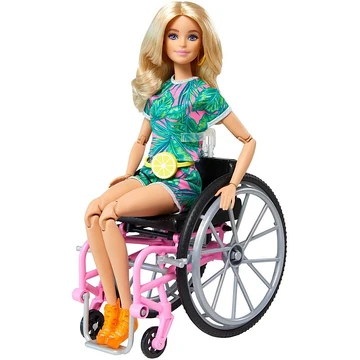
Every child deserves to see themselves in their toys. Making a Barbie wheelchair isn’t just a fun craft—it’s a powerful way to promote inclusion, spark empathy, and bring accessibility into imaginative play. Whether you’re creating for a child with a disability, teaching about diversity, or building a custom accessory for a doll collection, this guide gives you everything you need to build a realistic, rolling, and durable wheelchair for any 10–12 inch fashion doll.
Using only common household materials—like cardboard, CDs, wire, and fabric—you can complete a sturdy model in as little as one hour. We’ll walk through three proven methods, from beginner-friendly cardboard builds to advanced wire-frame designs, so you can choose the right fit for your skill level and purpose. You’ll learn how to size it perfectly, add moving wheels, and even personalize with paint and accessories.
Let’s build something meaningful—step by step.
Choose Your Build Method
Simple Cardboard Wheelchair
Perfect for kids, classrooms, or quick projects, this method uses printed or hand-drawn patterns and basic materials. It’s durable, rolls smoothly, and is safe for active play. Ideal if you’re introducing children to crafting or need a model fast for inclusive storytelling.
Advanced Wire-Frame Design
For crafters who want museum-level detail: spinning push rings, spoke wheels, and pivoting casters. This version mimics real-life mechanics with rotating handrims and articulated parts. Best for display, gifting, or collectors—but not recommended for rough handling due to delicate wires.
Recycled Materials Model
An eco-friendly version using old CDs, paper tubes, and bottle caps. Great for upcycling projects and creative play. This method encourages innovation while reducing waste, making it perfect for school workshops or sustainability-focused activities.
Gather Your Materials
What You’ll Need (Pick Based on Method)
| Purpose | Recommended Materials |
|---|---|
| Frame & Seat | Corrugated cardboard, thin cardboard (cereal box), paper tubes |
| Wheels | CDs/DVDs (stacked), bottle caps, thin cardboard circles |
| Axles | Wooden skewers, chopsticks, pencils, coat hanger wire |
| Fasteners | White glue, hot glue gun, binder clips, push pins |
| Fabric & Upholstery | Cotton scraps, felt, ribbon (seat belt), embroidery thread |
| Decorations | Acrylic paint, beads, buttons, rhinestones, scrapbook paper |
🔧 Pro Tip: Use a metal ruler and X-Acto knife for clean cuts. Always punch holes through cardboard on a foam base to avoid damaging surfaces.
Design the Perfect Fit
Use a Free PDF Pattern
Download and print a free scale-accurate pattern (available in letter and A4). Print at 100% size and verify using the built-in ruler. Key pieces include:
– 2 side frames
– 1 seat and backrest (thick cardboard)
– Rear and caster wheels
✅ Flip the side piece when tracing—this ensures raw edges face outward for stronger glue bonds.
Or Draw Your Own Template
Trace your doll’s side profile on paper:
– Mark hip level for seat height
– Align backrest angle with torso
– Include armrests and support struts
– Use this as a guide to bend paper tubes or cut cardboard
📏 Test fit first: Place doll in the frame before gluing anything permanently.
Build the Simple Cardboard Wheelchair

Cut and Fold the Frame
- Cut out:
– 2 side pieces (thin cardboard)
– 1 seat, 1 backrest (corrugated)
– 2 rear wheels, 4 caster wheels - Score fold lines with a metal ruler and envelope opener
- Punch axle holes with a push pin, widen with a skewer
✂️ Clean folds = strong structure: Scoring prevents cracking and ensures sharp creases.
Prepare the Axles
Cut wooden skewers to size:
– 13 cm: Rear axle (2)
– 8.5 cm: Backrest support bar (1)
– 8 cm: Caster axle (1)
Paint silver for realism or leave natural for a neutral look.
Assemble Side Frames
- Fold each side piece in half
- Insert a 13 cm skewer into the groove
- Apply white glue to the inner edge
- Press closed and clamp with binder clips until dry
This creates a rigid, rolling-ready frame.
Decorate the Wheels
- Wrap rear wheels with black-painted cotton fabric for tire effect
- Paint wooden skewers silver
- Leave caster wheels plain or add rhinestones later
Create the Seat Cover
- Cut cotton fabric 1–2 cm larger than the seat
- Hem edges with scissors or glue
- Glue fabric to the seat, wrapping excess underneath
Repeat for the backrest if desired.
Final Assembly
- Glue seat flaps to the inside of side frames
- Insert the 8 cm caster axle through front holes
- Add caster wheels and secure with hot glue
- Top with rhinestone caps for realism
- Wrap wheel edges with thin hot glue for tread texture
- Insert backrest bar into top slots
- Glue backrest over the bar and fold flaps down
⏱️ Time: Under 2 hours
✅ Result: A smooth-rolling, child-safe wheelchair ready for inclusive play.
Build the Advanced Wire-Frame Wheelchair
Cut Precision Pieces
Use thin and corrugated cardboard for:
– Side A and B (2 each)
– Caster forks, footrest, armrests
– Rear wheel rims and hubs
Double-layer side pieces (glue A to B) for extra strength.
Shape the Push Handles
- Cut coat hanger wire into long U-shaped handles
- Roll seat flaps around the wire ends
- Glue top flaps over the wrapped wire
- Use pliers to bend and shape the handles upward
🛠️ Smooth bends: Use an envelope opener to shape wire without kinking.
Build Spoke Wheels
- Cut 12 coat hanger wires (6 per wheel)
- Insert spokes through corrugated rim and hub
- Glue entry and exit points
- Wrap entire rim with black embroidery thread for tire effect
🚫 Avoid tangling: Work one spoke at a time and cut thread cleanly.
Add Push Rings
- Bend wire into a circle (just smaller than wheel)
- Attach 3 soda can tabs around the ring
- Punch holes in each tab
- Use jewelry wire to loop tabs through wheel rim and secure
✅ Realistic detail: The push ring rotates independently—just like a real wheelchair.
Assemble Caster Forks
- Fold and glue fork piece
- Insert a bent pivot wire through the center
- Fold flaps over the wire loop and glue down
- Attach small cardboard wheels (wrapped with thread)
Install the Base Support
Glue a folded rectangular prism under the seat. This keeps the frame square and prevents sagging.
Make Fabric Cushions
- Cut two fabric circles (right sides together)
- Sew around edges, leave a gap
- Clip curves, turn right-side out, stuff lightly
- Close with a hidden ladder stitch
💡 Stuffing tip: Use wig fluff or cotton for soft, bouncy cushions.
Final Assembly
- Insert rear axle through side frames
- Slide on caster wheels (unwrapped side inward)
- Attach rear wheels with push rings facing out
- Secure with hot glue and rhinestone caps
- Fit casters into forks
- Insert support beam under seat
- Glue footrest and armrests in place
- Wrap handle ends with fabric strips
🎯 Best for: Display, collectors, or gifting
⚠️ Not for rough play: Delicate wires and spokes can bend
Build the Recycled Materials Wheelchair

Create CD Wheels
- Stack 3–5 CDs or DVDs
- Glue tightly with hot glue
- Wrap edge with black craft foam strip for tire
- Glue a button or rhinestone in the center as a hub
✅ Why CDs? They spin smoothly and match the size of a doll’s hand.
Construct the Frame
- Roll paper around a pen or pencil to form tubes
- Bend tubes into side profile (seat, back, arms)
- Glue and repeat for second side
- Connect sides with 5 horizontal tubes:
– 3 under seat
– 2 along back - Reinforce corners with a long tube at the base
Add Front Support
- Glue two vertical paper tubes at the front
- Attach buttons to the bottom as faux wheels
- Make footrest:
– Fold paper accordion-style
– Curl end around a pencil
– Glue, trim, and attach to front tubes
Install Seat and Backrest
- Cut felt to fit seat
- Glue strips around the edges
- Slide into frame and secure with tabs
🌱 Eco bonus: All materials are recyclable or repurposed.
Finish with Decor
- Wrap armrests and handles with foam strips
- Add scrapbook paper to frame edges
- Use floral stickers or elastic bandages for injury-recovery roleplay
- Glue beads to tube ends for style
🎨 Customize freely: This method encourages creativity over precision.
Customize for Any Doll
Adjust the Fit
| Issue | Fix |
|---|---|
| Doll too wide? | Widen seat in pattern or omit armrests |
| Legs too long? | Extend footrest during assembly |
| Back too short? | Lower backrest or cut shorter |
| Monster High hips? | Remove armrests or flare sides outward |
📏 Always test-fit the doll before final glue.
Universal Compatibility
Fits:
– Barbie
– Bratz
– Monster High
– L.O.L. Surprise (with minor mods)
Test and Improve Performance
Roll Test
Place on a flat surface and push gently. If it wobbles:
– Check wheel alignment
– Re-glue crooked axles
– Ensure both sides are symmetrical
Stress Test
Lift by the handles. If joints crack:
– Reinforce with extra glue or tape
– Add support beams under the seat
Longevity Tips
- Seal with Mod Podge to protect against moisture
- Reinforce joints with fabric strips or tape
- Store flat to prevent warping
- Replace wheels if thread unwinds or CDs split
Choose the Right Method for You
| Need | Best Method |
|---|---|
| Fast, safe, for kids | Simple Cardboard |
| Display or gift | Advanced Wire-Frame |
| Eco-friendly project | Recycled Materials |
| Classroom activity | Simple or Recycled |
| Therapy or OT tool | Simple (tactile, durable) |
| Miniature art piece | Advanced (realism) |
Why This Craft Matters
Making a Barbie wheelchair does more than build a toy. It:
– Teaches inclusion and empathy
– Represents mobility devices in play
– Encourages problem-solving and fine motor skills
– Turns everyday materials into something meaningful
🌟 Fact: Over 180 million children worldwide live with a disability. Seeing their experiences reflected in toys builds self-worth and understanding.
Final Tips for Success
- Start simple: Master the cardboard version before advancing
- Use sharp tools carefully: Supervise children with X-Acto knives
- Personalize it: Paint team colors, add names, or match doll outfits
- Involve kids: Let them choose colors, decorations, and accessories
- Repair, don’t replace: A little glue can extend the life of your chair
Your Barbie wheelchair is more than a craft—it’s a statement of inclusion. Whether you’re building for play, education, or art, you’ve now got the tools, tips, and techniques to make it roll with pride.
Grab your scissors, pick your method, and start creating.
Because every doll—and every child—deserves to move freely.