
Navigating an airport can be overwhelming—especially if you have limited mobility due to age, injury, or disability. The good news? You don’t have to face it alone. How to reserve a wheelchair at the airport is a question with a clear, accessible answer: airlines are required by law to provide free wheelchair assistance to passengers who need it. This service ensures you’re safely escorted from curbside to your seat—and back again upon arrival. Whether you’re traveling for medical reasons, recovering from surgery, or supporting a loved one, knowing the process in advance makes all the difference. In this guide, you’ll learn exactly when and how to request help, what types of support are available, and how to protect your rights for a seamless, dignified journey.
Request Wheelchair Assistance When Booking Your Flight
The most reliable way to secure wheelchair service is during the initial flight booking—don’t wait until the last minute.
Use Airline Websites to Add Special Assistance
When booking online, most major carriers—including Delta, American Airlines, United, and Southwest—include a “Special Assistance” or “Passenger Needs” section before finalizing your purchase. Look for prompts like:
– “Mobility assistance”
– “Wheelchair service”
– “Traveling with a disability”
Click the option and select your required level of support. Common choices include:
– WCHR (Wheelchair Ramp): Help from check-in to gate (you can walk short distances)
– WCHS (Wheelchair Stairs): Assistance boarding steps with support
– WCHC (Wheelchair Cabin): Full escort from curb to seat, including use of an aisle chair
Once selected, the code is added to your reservation. You’ll often receive an email confirmation that includes your request details.
Call the Airline If Online Options Are Missing
If the website doesn’t display accessibility options, call customer service directly. Provide your name, flight number, and departure date, then clearly state:
“I need wheelchair assistance from curbside to my aircraft seat.”
Ask the agent to:
– Confirm the request is logged in your Passenger Name Record (PNR)
– Send written confirmation via email or text
✅ Pro Tip: Book early. During peak travel seasons or on regional flights with limited staff, equipment and personnel may be stretched thin.
Add Wheelchair Help After Booking Your Ticket
Missed the chance to request assistance during booking? You can still get help—just act quickly.
Update Your Reservation Online
Log into your airline account and go to “My Trips” or “Manage Booking.” Find your flight and look for:
– “Edit Passenger Details”
– “Add Special Service”
– “Request Assistance”
Follow the prompts to add mobility support. Submit your request at least 48 hours before departure for the best chance of guaranteed service.
Submit a Special Assistance Form
Some airlines require a downloadable form for medical or mobility needs. These are typically found under:
– “Accessibility Services”
– “Traveling with Disabilities”
– “Passenger Assistance”
Complete the form and submit it online or via email. Keep a digital and printed copy for your records.
Call Customer Service for Guaranteed Confirmation
While online updates work in most cases, calling the airline is the most reliable method. Dial the customer service number and:
– Provide your booking reference
– Clearly state: “I need wheelchair assistance for [flight number]”
– Specify the type: full escort, gate help, or boarding aid
⚠️ Warning: Requests made less than 24 hours before departure may not be guaranteed—especially at smaller airports or on international flights.
Coordinate With Each Airline on Connecting Flights

If your trip includes multiple carriers, each airline must independently provide assistance.
Contact Every Airline Separately
Even if flights are on one ticket, wheelchair service isn’t automatically shared. For each leg:
– Confirm assistance with the operating airline
– Specify connection time and terminal
– Request escort between gates if transferring
✅ Example: If you’re flying from Miami to Chicago on American, then Chicago to Tokyo on Japan Airlines, contact both airlines to confirm support at O’Hare International.
Allow Extra Time for Transfers
For smooth connections:
– Domestic-to-domestic: Minimum 90 minutes
– International-to-domestic: At least 2 hours
This allows staff to meet your incoming flight and escort you to the next gate—especially important in large hubs like Atlanta, Dallas, or Newark.
Understand the Types of Wheelchair Assistance Available
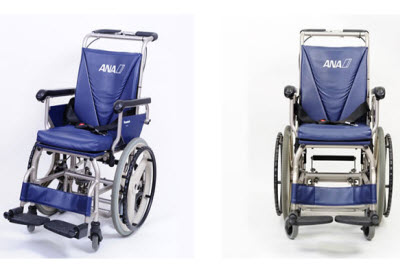
Not all help is the same. Choose the right level based on your mobility needs.
Standard Manual Wheelchair (WCHR)
Ideal for passengers who can walk short distances or transfer independently. Staff will push you from:
– Check-in to security
– Security to gate
– Arrival gate to baggage claim
You walk through checkpoints and board with minimal support.
Stairs Assistance (WCHS)
For those who use a wheelchair but can climb stairs with help. Staff assist with:
– Boarding aircraft steps
– Balancing during entry
– Transferring to seat
No aisle chair is used.
Full Cabin Wheelchair (WCHC)
For passengers who cannot walk or stand. You’re moved from curb to seat using:
– A standard wheelchair
– An aisle chair (narrow, 3-wheel chair for aircraft aisles)
Staff assist with full transfers and boarding via lift or jet bridge.
Electric Transporters for Long Distances
At major hubs like Chicago O’Hare or Dallas/Fort Worth, some airports use motorized carts to:
– Move passengers between terminals
– Cover long walking distances
– Speed up connections
Ask staff if this option is available when you arrive.
Arrive Early and Reconfirm Your Request
Even with a reservation, showing up on time and reconfirming ensures prompt service.
Recommended Arrival Times
| Flight Type | Arrival Time |
|---|---|
| Domestic | 90 minutes before departure |
| International | 2–3 hours before departure |
| Connecting flight | 2+ hours between flights |
Extra time covers:
– Staff coordination
– Security screening
– Unforeseen delays
Self-Identify at the Airline Check-In Counter
Go to the counter and say:
“I have a pre-booked wheelchair assistance request.”
Even if you’ve already requested help, staff must activate the service. If you didn’t book ahead, ask now—airlines are legally required to provide assistance upon request.
Alternative Check-In Points
Can’t reach the counter? Get help at:
– Special Assistance Desk – Located near main entrances in most major airports
– Security Checkpoint – Tell a TSA officer; they’ll contact airline staff
– Curbside Agent – Some airlines have staff outside to greet you
✅ Visual Cue: Look for signs with the wheelchair symbol or blue international accessibility icon.
Pass Through Security With Dignity
TSA and airline staff are trained to assist wheelchair users while maintaining privacy.
Screening Process Steps
-
Mobility Device Inspection
– Your wheelchair will be swabbed for explosives
– Staff may disassemble parts (e.g., batteries, footrests) -
Personal Screening
– You may stay in your wheelchair during metal detector scan
– If it alarms, you’ll receive a pat-down
– You can request a private screening area -
Transfer to Screening Chair (If Needed)
– If standing is required, staff will help you transfer
– You control when and how this happens
✅ Your Right: You can ask to stop at a restroom en route to security or boarding.
Boarding: Use the Aisle Chair
You can’t stay in your wheelchair on the plane. Here’s what to expect.
Early Boarding Priority
Passengers needing assistance board before general boarding. Listen for:
– “Passengers needing extra time, please board now”
– A personal call from gate agents
Transfer to Aisle Chair
At the aircraft door:
– You’ll move from your wheelchair to a narrow aisle chair
– Staff fold your wheelchair and tag it for baggage hold
– Two agents assist with balance and transfer
⚠️ On Small Planes: Regional jets without jet bridges may require manual lifting. Staff must:
– Get your consent
– Use proper lifting techniques
– Not leave you unattended
After Landing: Deplaning and Connections
Your journey continues after arrival—know what to expect.
Deplaning Assistance
After landing:
– Staff bring the aisle chair to your seat
– You’re helped up and wheeled off the plane
– Your checked wheelchair is retrieved and reassembled at the gate
✅ Pro Tip: If you need the restroom immediately, tell the flight attendant. They’ll prioritize your exit.
Connecting Flights Support
For transfers:
– A new agent meets you at the gate
– You’re escorted to the next terminal
– Staff ensure you make your connection
If your layover is tight, ask for a wheelchair before landing.
Know Your Legal Rights Under the ACAA
You’re protected by the Air Carrier Access Act (ACAA)—no airline can deny or charge for assistance.
Key Protections Include:
- Free service—no fees allowed
- No denial of boarding based on disability
- No abandonment—you can’t be left alone for more than 30 minutes
- Priority seating near the aisle or galley
- Right to request bathroom stops en route
Right to a CRO (Complaints Resolution Official)
If staff refuse help:
– Ask for the CRO—a trained disability expert
– They must respond in person or by phone
– They can override staff decisions
📞 CRO Request Script:
“I’d like to speak with the Complaints Resolution Official regarding my denied assistance request.”
Traveling With Your Own Wheelchair? Here’s What to Know

You can bring your personal wheelchair—and it must be handled with care.
- Check it at the gate or counter
- It’s stored in the cargo hold
- Battery-powered chairs are allowed if:
- Batteries are sealed and non-spillable
- Properly labeled
- Removed or secured per FAA rules
✅ Prevention Tip: Take photos of your chair before check-in. Note any scratches or issues.
Troubleshoot Common Problems
Wheelchair Is Late or Missing
- Stay calm and alert staff
- Ask for a supervisor or CRO
- Document time, location, and staff names
Staff Is Rude or Untrained
- State: “I need proper assistance per ACAA rules.”
- Request a different agent
- File a DOT complaint later
File a DOT Complaint
Report issues to the U.S. Department of Transportation:
– Online: transportation.gov/airconsumer
– Phone: 855-368-4200
– Deadline: Within 6 months of incident
Tips for a Stress-Free Experience
- ✅ Request assistance during booking
- ✅ Confirm 24–48 hours before flight
- ✅ Arrive early (90+ minutes for domestic)
- ✅ Carry a doctor’s note if needed
- ✅ Use airline apps to message special needs teams
Final Note: Wheelchair assistance is your right—not a favor. By requesting early, knowing the process, and standing up for your rights, you ensure a safe, respectful, and seamless airport experience.