
Is your wheelchair squeaking, stiff, or harder to fold than usual? These are clear warning signs it’s time to oil a wheelchair properly. Regular lubrication isn’t just about silencing annoying noises—it’s essential for smooth mobility, reducing mechanical wear, and extending the life of your chair. Whether you rely on a manual or power wheelchair, knowing how to oil a wheelchair correctly ensures safety, performance, and long-term reliability. This guide walks you through every step: which parts need lubrication, what products to use, and how to apply them without damaging sensitive components. You’ll learn to avoid common mistakes, follow best practices, and keep your chair operating like new with minimal effort.
Choose the Right Lubricant for Each Component
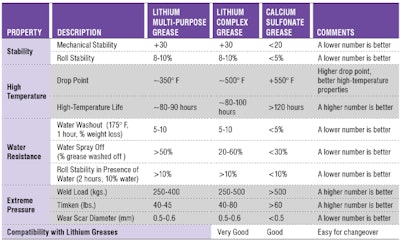
Using the wrong lubricant can do more harm than good. Different parts of your wheelchair require specific types of lubrication based on material, movement, and exposure.
Use Silicone-Based Spray for General Moving Parts
Silicone-based lubricants are ideal for most joints and pivots. They work safely on metal, plastic, and rubber, won’t stain upholstery, and resist dust buildup. Apply to folding hinges, caster stems, leg rest pivots, and backrest adjusters. These sprays are water-resistant and odorless, making them perfect for daily-use mobility equipment. Always use a light coat—excess attracts dirt. After spraying, work the joint and wipe off any visible residue with a clean cloth.
Apply Teflon Dry Lube to Wheel Locks
Wheel locks need a lubricant that won’t attract grime. Teflon-based dry lube creates a non-sticky film that ensures smooth engagement without collecting debris. Shake the can vigorously before use—otherwise, only solvent sprays out, offering no lasting protection. Because dry lube wears off faster under frequent use, reapply every 2–3 months. Avoid petroleum-based oils, which can degrade rubber and plastic parts over time.
Use White Lithium Grease on Heavy-Duty Joints
For high-stress pivot points—like power wheelchair leg rests, backrest hinges, or heavy-duty folding mechanisms—white lithium grease provides long-lasting protection. Use the aerosol version with a red straw nozzle for precise delivery. Apply a thin layer only—over-greasing traps dirt and accelerates wear. After application, move the joint repeatedly to distribute the grease, then wipe off excess.
Repack Bearings with Lithium Grease Only When Disassembled
Never spray lubricant into sealed castor bearings—it doesn’t penetrate and can introduce contaminants. Instead, remove the caster, take out the bearing seal, clean old grease, then repack the bore with lithium-based grease. Reseal and reinstall. This should be done every 6–12 months to prevent premature failure and ensure smooth rolling.
Apply Anti-Seize to Metal Fasteners to Prevent Corrosion
When steel bolts connect to aluminum frames, galvanic corrosion can occur. Prevent this by applying anti-seize compound to threads during reassembly. First, clean stuck bolts with penetrating oil, then apply a small amount of anti-seize. This is especially important after any maintenance involving bolt removal.
Use Penetrating Oil to Free Stuck or Frozen Parts
If a wheel lock or hinge is frozen, use a dedicated penetrating oil like WD40 Specialist Penetrant. Spray into tight gaps and let sit overnight. Do not use standard WD40 as a lubricant—it evaporates quickly and attracts dust. After freeing the part, clean it thoroughly and apply a proper lubricant like silicone or Teflon spray for lasting performance.
Protect Against Rust with Boeshield T-9 in Harsh Environments
In coastal areas or where winter road salt is common, exposed metal hardware is prone to rust. Apply Boeshield T-9—a corrosion-inhibiting spray—to bolts, hinges, and joints. It displaces moisture and forms a protective barrier. Use lightly and avoid contact with upholstery or tires. Reapply every few months in harsh conditions.
Lubricate These Key Moving Components
Only lubricate parts where movement occurs between two surfaces. Focus on joints, pivots, and hinges that show signs of resistance or noise.
Fix Squeaky Wheel Locks with Dry Lube
Squeaky or stiff wheel locks are usually caused by metal-on-metal friction. Clean the clamp area with rubbing alcohol, then apply Teflon dry lube to the pivot pin and contact surfaces. Work the lever back and forth to spread the lube. Avoid greasing—sticky residue collects dirt and reduces braking effectiveness.
Improve Caster Steering with Silicone Spray
Casters endure constant abuse from debris and rough terrain. Clean them weekly by removing hair and lint with tweezers or a pick tool. Once clean, spray silicone lube into the stem and pivot joint. This reduces friction and improves steering. For models with removable pins, disassemble fully for best access.
Silence Folding Mechanisms with Light Lubrication
If your wheelchair squeaks when opening or closing, the folding hinge needs attention. Clean the pivot area first with alcohol, then apply silicone spray or light machine oil. Work the frame back and forth to distribute the lubricant. Wipe off excess to prevent transfer to clothing or upholstery.
Ensure Smooth Wheel Spin with Axle Pin Lubrication
If rear wheels don’t spin freely, check the axle pins. Remove the wheels and clean the pins with alcohol. Apply a drop of silicone or Teflon lube before reinserting. Do not grease—excess attracts grit and can interfere with quick-release mechanisms.
Maintain Leg Rest and Backrest Joints
On both manual and power wheelchairs, leg rests and backrests have moving joints that stiffen over time. Apply silicone spray or white lithium grease to pivot points every 2–6 months. For power models, cover electronic controls with a plastic bag before spraying nearby areas.
Avoid Lubricating These Parts at All Costs
Some components should never be lubricated—doing so can create safety hazards or damage materials.
Never Oil Push Rims
Lubricating push rims reduces grip and increases slipping risk. Instead, clean them weekly with rubbing alcohol to remove sweat and grime. For stubborn residue, use a cloth dampened with WD40—but only to clean, not lubricate. Never spray directly on rims.
Don’t Lubricate Tires
Oiling tires creates a slippery surface and degrades rubber. If traction is poor, clean tires with a 1:10 bleach-water solution to restore grip. Rinse thoroughly and dry. Never use oil, grease, or silicone on tire treads.
Skip Sealed Bearings (Without Disassembly)
Spraying lubricant into sealed bearings is ineffective and risky. It can push dirt inward or damage internal seals. Only lubricate bearings after full disassembly and cleaning. If you hear grinding in casters, remove and repack with lithium grease.
Keep Electronics Dry and Lubricant-Free
Never apply any lubricant near motor housings, joystick controllers, or wiring. Moisture or chemical exposure can cause malfunctions or permanent damage. When lubricating nearby joints, cover control units with a plastic bag.
Avoid Upholstery and Cushions
Oils and sprays can degrade fabric, foam, and skin-protection materials. Clean upholstery only with mild soap and water. Never spray lubricants near seating areas—even overspray can cause long-term damage.
Follow the Correct Lubrication Process
A proper routine ensures effective results and prevents damage.
Inspect Before You Start
Begin with a full inspection. Check for loose bolts, cracked welds, worn tires, or damaged casters. Tighten all hardware and note any stiff or noisy joints. This helps prioritize which parts need lubrication and ensures safety.
Clean All Moving Parts First
Lubrication fails on dirty surfaces. Wipe down the frame with soapy water and dry completely. Use rubbing alcohol on metal joints to remove old grease and grime. For casters, remove and clean with a brush or pick. Clean push rims and wheel hubs with alcohol-soaked cloths.
Apply Lubricant Sparingly
Use precision nozzles or drop applicators. Apply only enough to reduce friction—less is more. Spray or dab directly onto pivot points, pins, and hinges. Avoid overspray on non-target areas. If using grease, apply a pea-sized amount per joint.
Work the Joint to Distribute Lube
After application, move the component repeatedly—fold and unfold the frame, lock and unlock wheels, adjust leg rests. This spreads the lubricant evenly and ensures full coverage inside the joint.
Test Drive Power Wheelchairs
After servicing a power model, run it for 10–20 minutes. This circulates lubricant through moving parts and reveals any lingering stiffness or noise. Check that leg rests and seat functions operate smoothly.
Wipe Off Excess Immediately
Leftover lubricant attracts dust, lint, and debris—defeating the purpose. Use a clean cloth to wipe all treated areas after working the joints. Pay special attention to folding hinges and caster stems.
Set a Realistic Lubrication Schedule
Consistency prevents problems before they start.
Lubricate Joints Every 3–6 Months
Most moving parts need lubrication every 3 to 6 months. High-use chairs or those used outdoors may need it more often. Set calendar reminders for wheel locks, folding hinges, and caster stems. Use dry lube or silicone spray for consistent performance.
Service Castor Bearings Every 6–12 Months
Bearings last longer when repacked annually. Remove casters, clean, and repack with lithium grease. In sandy or dusty environments, do this every 6 months.
Reapply Anti-Seize Every 6 Months
Metal fasteners benefit from anti-seize compound every 6 months, especially after disassembly. Focus on bolts connecting steel and aluminum parts.
Clean Weekly, Lubricate Monthly
Set a routine:
– Weekly: Clean push rims, frame, upholstery; remove caster hair.
– Monthly: Deep clean tires and wheels.
– Every 3–6 months: Lubricate joints.
– Annually: Professional inspection.
Follow Manufacturer Guidelines
Always consult your wheelchair’s manual before lubricating. Some manufacturers prohibit certain lubricants or require specific intervals. For example, the TiLite Z manual specifies: “Use dry silicone or Teflon-based lubricant if wheels are not spinning properly.” Avoid grease, WD40, and petroleum oils. Stick to recommended products—mixing lubes can reduce effectiveness.
Adapt for Your Environment
Protect Against Salt and Moisture
If you live near the coast or drive on salted winter roads, rinse the chair with fresh water after exposure (avoid high pressure). Dry thoroughly, then apply Boeshield T-9 to exposed metal parts. Increase cleaning and lubrication frequency.
Use Dry Lubes in Dusty Areas
In dry, dusty environments, avoid greases—they attract grit. Use dry lubricants like Triflow (popular with cyclists) on pivots and hinges. These leave a clean, non-sticky film that resists particle buildup.
Properly oiling a wheelchair keeps it running smoothly, quietly, and safely. Use the right lubricant for each component, clean before applying, and never overdo it. Stick to a regular schedule, avoid prohibited areas, and follow manufacturer guidance. With just a few minutes every few months, you’ll extend your chair’s life and improve daily comfort. When in doubt, consult a professional—annual checkups are worth the investment.