
For travelers with mobility challenges—whether due to a disability, injury, or age—navigating an airport can feel overwhelming. Long walks, tight connections, and crowded terminals turn what should be exciting travel into a stressful ordeal. The good news? Wheelchair assistance at airports is free, widely available, and protected by law. Airlines are required to help you from the moment you enter the terminal to your aircraft seat—and back again upon arrival.
You don’t need a doctor’s note or special permission just to request a wheelchair. All it takes is a simple, clear request—preferably made in advance. But knowing how, when, and where to ask can make the difference between a smooth journey and a frustrating experience. This guide walks you through every step of getting wheelchair assistance at the airport, including your legal rights, what types of help are available, and how to handle problems if things go wrong.
Request Assistance Early to Guarantee Support
Request During Flight Booking for Seamless Service
The most reliable way to secure wheelchair assistance is to request it when booking your flight. Most major airlines—including Delta, American, United, and international carriers—offer a “Special Assistance” or “Passenger with Disability” option during online check-in or reservation.
Look for dropdown menus or checkboxes asking about mobility needs. Select the level of support you require:
– Wheelchair to gate: For passengers who can walk short distances but need help with long terminal walks.
– Wheelchair to seat: Indicates you’ll need an aisle chair to board and assistance transferring to your aircraft seat.
– Stair assistance: If you’re unable to climb stairs to a plane without a jet bridge.
– Guided escort: For those who can walk but need support due to vision loss, balance issues, or fatigue.
Once submitted, your request is logged into the airline’s system and shared with ground staff at departure, connecting, and arrival airports. This ensures coordination across your entire journey—even on multi-leg trips.
Contact Airline After Booking to Confirm or Add Requests
If you didn’t request assistance during booking, call the airline directly as soon as possible. Use their customer service line or dedicated special assistance department. Have your booking reference (PNR), flight numbers, and travel dates ready.
Be specific about your needs:
– Can you stand briefly to transfer?
– Do you need help using the restroom en route?
– Are you traveling with a service animal?
While last-minute requests are honored, aim to request at least 48 hours before departure. For international flights or complex itineraries with tight connections, requesting 7–14 days in advance is ideal. This gives the airline time to assign staff, prepare equipment like aisle chairs, and coordinate with connecting carriers.
Submit Online Special Assistance Forms for Complex Needs
Many airlines provide digital special assistance forms on their websites for passengers with specific or complex requirements. These forms allow you to detail:
– Type of mobility device (e.g., power wheelchair, scooter)
– Need for medical oxygen or stretcher
– Request for service animal relief areas
– Pain or balance issues affecting transfers
While airlines cannot require medical documentation for standard wheelchair assistance, they may ask for reasonable proof if your needs involve specialized equipment or medical supervision. However, they cannot deny service based on suspicion or lack of paperwork alone.
✅ Pro Tip: Take a screenshot of your request confirmation. Save emails or reference numbers—this helps if your request is lost or ignored at the airport.
Know Your Legal Rights Under U.S. Law
Air Carrier Access Act (ACAA) Guarantees Free Assistance
Under the Air Carrier Access Act (ACAA), all U.S. airlines and foreign carriers operating flights to, from, or within the U.S. must provide free assistance to passengers with disabilities. This applies to any aircraft with 19 or more seats.
Your rights include:
– Assistance from curb to seat and back
– Priority boarding before general passengers
– Help during connections, including gate-to-gate escort
– Baggage help for carry-ons and mobility devices
– No unattended waits longer than 30 minutes
These services are mandatory—even if you didn’t request them in advance. Staff must respond promptly once you self-identify as needing help.
Airlines Cannot Refuse Service Based on Disability
An airline cannot deny boarding solely because you use a wheelchair or have a mobility impairment. Exceptions only apply if:
– You pose a direct safety threat
– Your mobility device cannot fit in the cargo hold
– No suitable seating is available for safe restraint
Even then, the airline must rebook you on the next available flight that can accommodate you.
Foreign Carriers Must Follow U.S. Rules on U.S. Flights
International airlines like Lufthansa, Air France, or Emirates must comply with ACAA standards when operating in the U.S. So whether you’re flying on a domestic carrier or an overseas airline, your rights are the same during U.S. segments.
⚠️ Warning: Some foreign airports may have limited accessibility. Always confirm assistance in writing before departure.
Types of Airport Wheelchair Help Available
Standard Wheelchair Escort for Long Distances
The most common form of assistance involves a staff member bringing a manual wheelchair and escorting you from check-in to the gate, through security, and to the aircraft door.
Best for travelers who:
– Can walk short distances but tire easily
– Have joint pain, fatigue, or temporary injuries
– Need help navigating large terminals
The attendant stays with you until boarding begins.
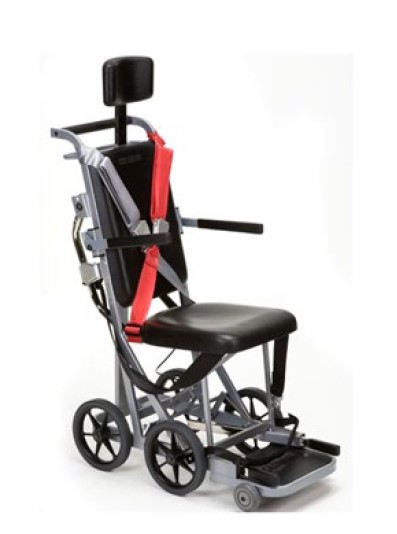
Aisle Chair for Boarding When You Can’t Walk
If you cannot walk or transfer independently, airlines use a narrow aisle chair to board the plane.
Process:
1. Transfer from standard wheelchair to aisle chair at the gate
2. Staff wheel or carry you down the jet bridge or via lift vehicle
3. Manually lift you into your aircraft seat
Note: Aisle chairs typically lack backrests or leg supports and are designed only for cabin movement.
✅ Pro Tip: Request a transfer assistant if you have pain or balance issues. Staff should never drag or pull you during transfers.
Guided Assistance Without a Wheelchair
If you can walk but need support—due to dizziness, recovery from surgery, or vision loss—you can request guided escort services.
This includes:
– Arm support through security
– Help finding gates, restrooms, or lounges
– Assistance during connections
No wheelchair needed—just inform staff you require guidance.
Service Animal Relief Support for Travelers with Pets
If you travel with a service dog or emotional support animal, airlines must escort you to a relief area upon request.
Relief areas are located:
– Landside (before security)
– Airside (after security, near gates)
Facilities include waste disposal and hygiene supplies. Request this during booking or at check-in.
At the Airport: Step-by-Step Process
:max_bytes(150000):strip_icc()/air-travel-with-mobility-devices-53207_final-53dad770623a46a48e25603396dd6ff1.png)
Arrive Early and Check In with Clear Communication
Allow extra time: 2–3 hours for domestic, 3–4 for international flights.
At the main check-in counter, say clearly:
“I need wheelchair assistance.”
The agent will:
– Confirm your request
– Call a wheelchair attendant
– Issue priority boarding tags
– Provide a gate-check tag for your personal wheelchair
✅ Pro Tip: If no attendant arrives within 10 minutes, ask the agent to follow up.
Security Screening with Mobility Aids
Notify TSA officers: “I use a wheelchair and need assistance.”
You may be directed to a pat-down instead of a full-body scanner.
Rules:
– Officers must inspect mobility devices carefully
– You can request a private screening
– A companion can assist you
If you have implants or prosthetics, explain limitations—but you’re not required to disclose medical details.
⚠️ Never left unattended: Staff must stay with you during screening.
From Security to Gate with Continuous Support
After screening, your wheelchair attendant will meet you and escort you to the gate.
They should:
– Navigate safely through crowds
– Offer rest or bathroom stops
– Stay with you until boarding
Ask: “Can we stop at a restroom?”
Staff must stop if it’s on the route and doesn’t cause unreasonable delay.
Boarding, Connecting, and Arrival Assistance
Board Before General Boarding with Priority Access
You’ll be called first to board.
At the gate:
– Transfer to an aisle chair if needed
– Staff will carry or wheel you into the aircraft
– Your personal wheelchair is tagged and stored in cargo
Request a door-to-door return so your wheelchair is brought to the jet bridge upon arrival.
✅ Pro Tip: Keep medications, cushions, and essentials in your carry-on.
Connecting Flights: Stay with Your Attendant
Your attendant must escort you to your next gate.
They will:
– Help re-check carry-ons
– Ensure you’re not left alone over 30 minutes
– Coordinate with connecting flight staff
⚠️ Risk: Tight connections (<90 minutes) may not allow full assistance. Choose longer layovers when possible.
Arrival: From Aircraft to Exit with Full Support
After landing, an attendant will:
– Meet you at the aircraft door
– Transfer you to a wheelchair
– Escort you through immigration, customs, baggage claim, and to your exit
Your wheelchair will be returned at baggage claim or curbside.
✅ Pro Tip: Label your wheelchair with your name, flight number, and destination.
What to Do If Help Is Denied

Speak to a CRO Immediately
If staff refuse help or leave you unattended, ask for the Complaints Resolution Official (CRO).
Every U.S. airline must have a CRO available 24/7 at every airport—by phone or in person.
The CRO can:
– Override staff decisions
– Provide immediate solutions
– Issue written explanations
✅ Pro Tip: Say calmly: “I’d like to speak to the CRO. My rights under the ACAA are not being honored.”
File a DOT Complaint If Unresolved
Submit a formal complaint to the U.S. Department of Transportation (DOT) within 6 months:
- Online: transportation.gov/airconsumer
- Phone: 855-368-4200
Include flight details, time, location, and description of the incident.
DOT investigates patterns and can penalize airlines.
Tips for a Stress-Free Experience
- Be specific: Say exactly what you need—don’t just say “I need a wheelchair.”
- Label everything: Use waterproof tags on your wheelchair and bags.
- Bring supplies: Pack medications, incontinence products, and cushions in carry-on.
- Use airline apps: Some offer real-time wheelchair tracking.
- Provide feedback: Praise good service or report issues to improve future travel.
Summary: Your Key Rights at a Glance
| Service | Your Right |
|---|---|
| Request Timing | At booking or 48+ hours before flight |
| Assistance Scope | From curb to seat and back |
| Boarding Priority | Guaranteed before general boarding |
| Bathroom Stops | Required if on route, no major delay |
| Baggage Help | Free carry-on and mobility device handling |
| Unattended Limit | Max 30 minutes |
| Service Animal Escort | Must be provided on request |
| Aisle Chair Use | Required if stairs are inaccessible |
| CRO Access | Available 24/7 at all airports |
Final Note: Wheelchair assistance at airports is your right—not a favor. By requesting help early, knowing your protections, and speaking up when needed, you can travel with confidence and dignity. Plan ahead, communicate clearly, and don’t hesitate to demand the support you’re entitled to. Safe travels.