
A squeaky wheelchair can turn an otherwise smooth ride into a jarring, embarrassing experience. That persistent noise isn’t just annoying—it’s often a warning sign of mechanical wear, loose components, or dry joints. Whether you use a manual or power chair, the good news is that most squeaks can be fixed at home with basic tools and a little patience. In this guide, you’ll learn exactly how to fix a squeaky wheelchair, step by step. From pinpointing the source to applying targeted lubrication and knowing when it’s time to replace, this comprehensive walkthrough will help you silence the squeak and get back to moving freely and quietly.
Diagnose the Squeak: Find the Exact Source
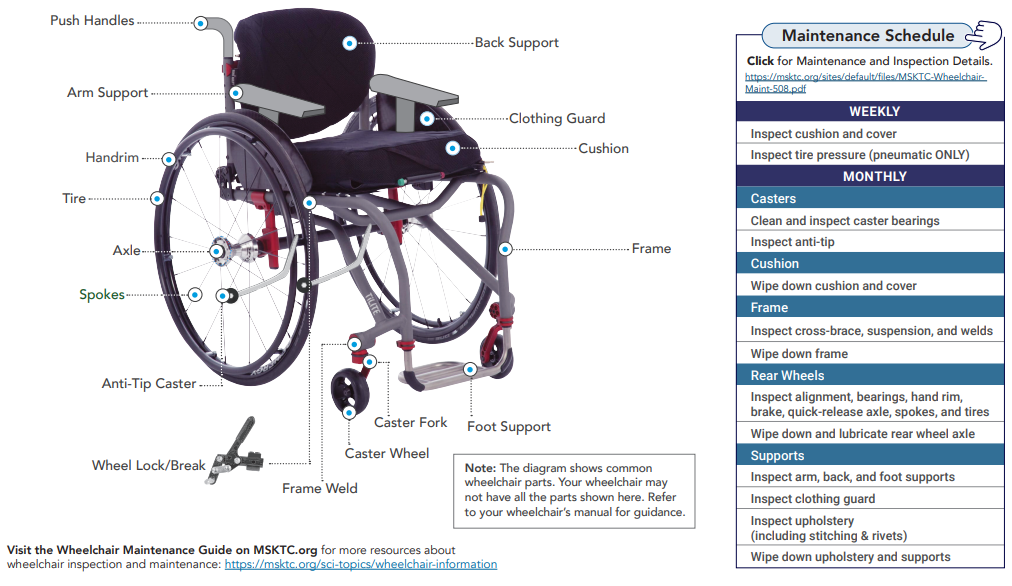
Before grabbing a wrench or lubricant, you need to identify where the noise is coming from. Squeaks can mimic one another, but the timing and pattern reveal the culprit.
Test for Noise Triggers
- When sitting down? Likely the seat frame, backrest hinge, or upholstery.
- During motion? Focus on wheels, castors, or bearings.
- While folding or unfolding? Inspect folding joints and release levers.
- Only when turning? Castor swivel joints are often to blame.
- One-sided squeak? Isolate and inspect that side’s wheel, axle, or fasteners.
Conduct a Hands-On Inspection
Sit in the chair and:
– Shift your weight side to side and forward/backward.
– Rotate each wheel slowly by hand, listening closely.
– Push the chair over a hard surface to amplify the noise.
– Fold and unfold the frame (if applicable).
Pro tip: Use a long screwdriver as a mechanical stethoscope. Place the metal tip on different joints and press your ear to the handle. The noise will travel through the metal, helping you locate the exact point of friction.
Tighten All Bolts and Fasteners

Loose screws and bolts are among the most common causes of creaking, especially in folding or cantilevered wheelchairs.
Key Areas to Inspect and Tighten
- Backrest canes and push handles
- Seat-to-backrest hinge screws
- Caster fork bolts
- Axle nuts and camber tube clamps
- Brake linkage and lever bolts
- Upholstery attachment points (screws and Velcro anchors)
Use the correct hex key, wrench, or screwdriver to snug each fastener. Avoid overtightening—this can strip threads or damage plastic components.
User insight: “The squeak was just a loose screw on my backrest. We used Loctite because the threads were worn. Fixed it instantly.” — u/CabbageFridge
Repair Stripped Threads
If a bolt won’t hold:
– Apply thread-locking compound (e.g., Loctite Blue 242).
– Replace with a slightly larger bolt (if space and fit allow).
– Install a helical insert (helicoil) for a permanent fix—ideal for high-stress areas.
Lubricate Bearings and Moving Joints
Dry pivots and worn bearings create high-pitched squeals, especially during movement. Proper lubrication can silence these noises for months.
Components That Need Lubrication
- Rear wheel bearings
- Castor swivel joints
- Seat-to-backrest hinge
- Caster forks
- Brake pivot points
- Backrest release mechanism
Choose the Right Lubricant
| Lubricant Type | Best For | Avoid If… |
|---|---|---|
| Lithium bike grease | Axles, hinges, metal joints | You need a clean finish |
| Silicone spray | Fabric-frame contact, plastic parts | Near brake surfaces |
| Dry Teflon spray | Dust-prone areas, clothing contact | Heavy-duty protection needed |
| White lithium grease | Long-term metal-on-metal use | High-heat environments |
❌ Avoid WD-40 as a lubricant—it’s a solvent and evaporates quickly. It may quiet the noise temporarily but won’t fix the root cause.
Step-by-Step Lubrication Process
- Remove the wheel or castor for better access (if possible).
- Clean the area with a rag and degreaser to remove old grease and grime.
- Apply fresh lubricant directly to bearings, hinge pins, or swivel points.
- Reassemble and test by rolling the chair over a hard floor.
User success: “Greased the bearings—fixed the squeal.” — u/goldy24k
Stop Metal-on-Metal Creaking from Frame Flex
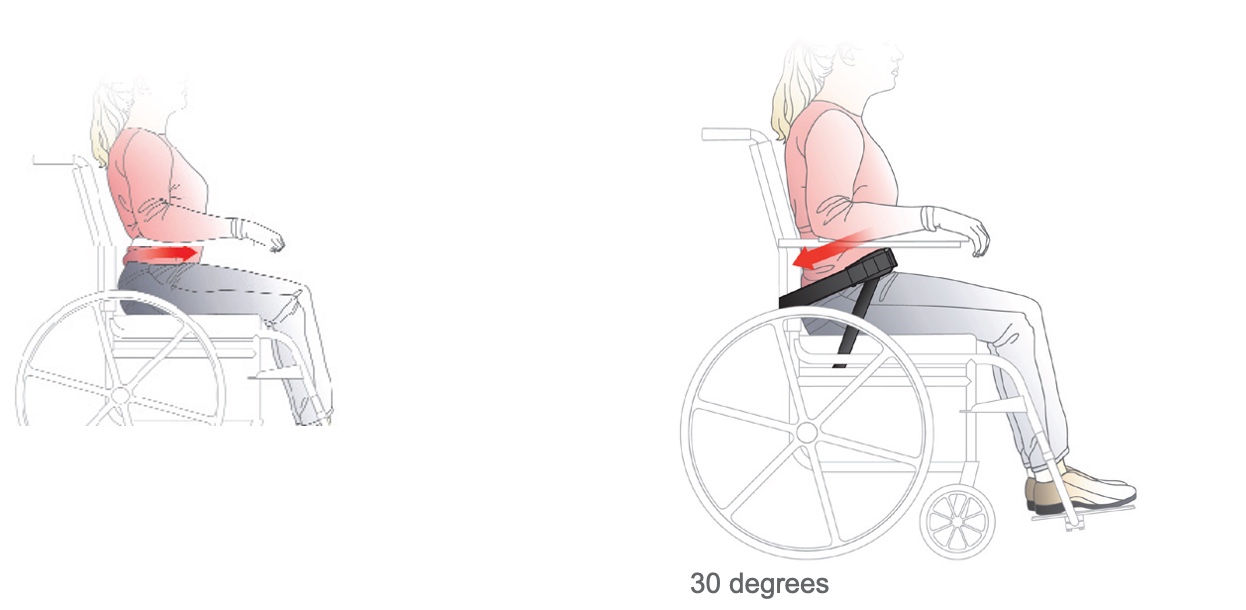
Some wheelchairs flex under load, causing metal parts to rub—common in folding or cantilever designs.
Common Creak Points
- Backrest canes in release clamps
- Seat-to-backrest hinge under weight shifts
- Camber tube mounts during turns
Effective Fixes
- Wrap electrical tape or self-amalgamating tape around cane tubes where they pass through clamps.
- Insert felt tape or rubber washers between rubbing metal surfaces.
- Apply anti-seize compound to joints prone to micro-movement.
- Replace worn bushings in hinges or pivots.
User insight: “It’s usually the backrest canes creaking in their release mechanism.” — u/Odditeee
Another clue: “The noise happens when I shift weight—likely the seat-to-back hinge.” — u/wgnpiict
Silence Upholstery and Fabric Squeaks
Stretching or rubbing seat fabric can create long, sustained squeaks with every movement.
Common Issues
- Polyester or nylon upholstery rubbing on frame rails
- Loose or peeling Velcro attachments
- Seat edges lifting and flapping under load
Quick Solutions
- Spray silicone lubricant where fabric touches the frame.
- Reattach or re-tension Velcro strips—replace if worn.
- Use fabric protector spray to reduce surface friction.
- Install felt padding along contact points on the frame.
User experience: “The seat’s held by Velcro and screws—it squeaks every time I move.” — u/57thStilgar
Fix Accessory-Related Noise
Bags, oxygen holders, and cup holders can introduce new squeaks.
Problem Areas
- D-rings rubbing on frame
- Bag clips scraping metal
- Loose mounting brackets
Fixes That Work
- Slide rubber sleeves over D-rings or bolts.
- Add felt or foam padding between clips and frame.
- Reposition or secure accessories to eliminate movement.
User note: “My new bag’s clips are rubbing on the D-rings—I need to fix that.” — u/CabbageFridge
Power Wheelchair Squeak Solutions
Power chairs have more complex systems, so squeaks may stem from drivetrain or motor components.
Potential Sources
- Hub motors or gearboxes
- Drive belts or chains
- Suspension joints
- Battery tray shifting
- Worn wheel bearings
Diagnostic Steps
- Does the squeak occur only when accelerating? Likely motor or drivetrain.
- Does it change with speed? Suggests worn bearings.
- Is there vibration or grinding? Could indicate internal gear wear.
Repair Tips
- Consult the manufacturer’s service manual for lubrication points.
- Use OEM-specified grease for drivetrain components.
- Consider bearing replacement if lubrication fails.
Expert advice: “Even for a power chair, a bike shop can help. They’ve got the tools.” — u/SirVab
User tip: “Take it to a bike shop. They might tighten spokes or spot the issue.” — u/TeamBambu
When to Replace, Not Repair
Some squeaks can’t be fixed—especially in older chairs with worn-out parts.
Signs It’s Time for a New Wheelchair
- Chair is 5–7+ years old with heavy use.
- You’ve replaced multiple components (bearings, upholstery, brakes).
- Squeaking persists despite full maintenance.
- Frame shows cracks, rust, or structural fatigue.
- Mobility or safety is compromised.
Medicare and Replacement Rules
- Medicare covers a new wheelchair every 5 years, based on medical necessity.
- Changes in condition (e.g., weight gain, new diagnosis) may qualify you earlier.
- Keep a repair log—documentation strengthens your case.
User insight: “Medicare doesn’t advertise it, but they pay every five years.” — u/patticake430
Another view: “They usually require seven years—but medical need can speed it up.” — u/yeti
Steps to Get a New Chair
- Talk to your doctor or physical therapist for a prescription.
- Contact your DME (Durable Medical Equipment) provider.
- Submit repair history and medical justification.
- Wait for insurance approval.
User action: “The dealer was surprised I’d kept my chair this long. Time to start the replacement process.” — u/goldy24k
Prevent Future Squeaks
A little maintenance goes a long way in keeping your wheelchair quiet and reliable.
Monthly Checks
- Tighten all bolts and screws.
- Inspect upholstery and Velcro.
- Check for loose accessories.
Every 3–6 Months
- Lubricate wheel bearings and hinges.
- Clean castor forks and axle points.
- Inspect brake linkages and pivots.
Long-Term Care
- Store indoors to prevent rust and corrosion.
- Avoid exposure to rain, snow, or salt.
- Keep tires inflated to reduce strain on bearings.
Quick Fix Reference Table
| Component | Likely Issue | Solution |
|---|---|---|
| Rear Wheels | Dry or worn bearings | Regrease or replace |
| Castor Wheels | Swivel joint friction | Clean and lubricate |
| Backrest Canes | Metal creak in clamps | Tape or anti-seize |
| Seat Hinge | Flex under weight | Lubricate or shim |
| Upholstery | Fabric rubbing on frame | Silicone spray or re-tension |
| Push Handles | Loose screws | Tighten or use Loctite |
| Accessories | Clips or D-rings rubbing | Add padding or reposition |
| Power Chair Bearings | Worn bushings | Replace with OEM parts |
Final Note: A squeaky wheelchair isn’t something you have to live with. Most noises stem from simple issues—loose bolts, dry joints, or rubbing fabric—that you can fix in under an hour. Use this guide to diagnose, repair, and prevent squeaks, ensuring a smoother, quieter ride. If problems persist or the chair is aging, document your efforts and explore replacement options. With proper care, your wheelchair can remain reliable, comfortable, and silent for years.