
Dirty wheelchair wheels don’t just make a mess on your floors—they can slow you down, strain your equipment, and even lead to costly repairs. Whether you use a manual or power wheelchair, your wheels are constantly exposed to dirt, hair, mud, pollen, and debris from sidewalks, grass, and indoor surfaces. Over time, this buildup increases rolling resistance, wears out bearings, and can compromise hygiene and performance. The good news? Cleaning wheelchair wheels is simple, quick, and highly effective when done right. This guide delivers a step-by-step process, preventive strategies, and expert-backed tips to keep your wheels spinning smoothly, protect your home, and extend the life of your mobility equipment.
Inspect Wheels Before Cleaning
Check for Debris and Damage
Always start with a thorough inspection. Use a flashlight to examine the tires, spokes, hubs, axles, and casters. Look for hair, string, or small stones trapped between the tire and rim or wrapped tightly around the rear axles—common problem areas that restrict movement and increase strain, especially on power chairs. Also, watch for:
– Cracks, bulges, or flat spots on pneumatic or solid tires
– Bent or loose spokes that affect balance
– Wobbling wheels or grinding noises indicating bearing issues
– Loose bolts or misaligned casters that impair steering
If you spot significant damage, address it before cleaning. Severely worn tires or damaged bearings may require professional repair.
Identify Wheel Type and Material
Different wheels need different care:
– Pneumatic (air-filled) tires: More susceptible to punctures; avoid soaking or high-pressure water
– Solid (flat-free) tires: Durable and low-maintenance; can handle more scrubbing
– Spoked wheels: Trap more debris; require careful brushing between wires
– Mag (molded) wheels: Easier to wipe clean; less debris buildup
Knowing your wheel type ensures you use safe, effective cleaning methods.
Gather the Right Cleaning Supplies
Essential Tools and Cleaners
Use only non-abrasive, wheelchair-safe materials:
– Soft microfiber cloths – Ideal for wiping without scratching
– Stiff-bristle brush – For scrubbing tread and removing caked-on dirt
– Toothbrush or small soft brush – Perfect for grooves and tight spaces
– Mild dish soap or all-purpose cleaner – Mix with warm water
– Bucket or container – To hold your cleaning solution
– Dry towel – For complete drying
– Compressed air or air blower – To clear dust from spokes and joints
Helpful Add-Ons
- Vinegar-water solution (1:1) – Natural disinfectant for non-electronic parts
- Bicycle tire cleaner – Effective for greasy or muddy buildup
- Silicone-based lubricant – For axles and moving parts (never use oil-based)
- Non-abrasive wax – Protects the frame every 3 months
- Scotchgard – Shields fabric seat and backrest after cleaning
Avoid: Steel wool, abrasive pads, high-pressure hoses, bleach, ammonia, or petroleum-based cleaners—they can damage rubber, plastic, and electronics.
Prepare the Wheelchair for Safe Cleaning
Power Down Electric Models First
For power wheelchairs, safety is critical:
– Turn off the chair completely
– Disconnect the battery (if accessible)
– Remove protective battery covers
– Take off seat and backrest cushions to prevent water damage
Choose the Right Cleaning Location
Move the wheelchair to a well-ventilated area like a garage, porch, or outdoor space. If cleaning indoors, place towels or a mat underneath to catch drips and prevent slips.
Remove Hair and Debris from Axles
Cut and Pull Trapped Hair Safely
Hair and threads often wind tightly around rear axles, especially on manual chairs. To remove:
1. Use scissors to cut through the strands near the hub
2. Gently pull out the debris—never yank, as this can damage seals or bearings
3. Use tweezers for stubborn bits
Pro Tip: Clean axles weekly to prevent buildup that increases rolling resistance.
Use Compressed Air for Hidden Grime
After removing visible debris, use a can of compressed air or rechargeable blower to:
– Clear dust from spoke intersections
– Blow out dirt from caster forks and swivel joints
– Remove particles near motor housings (on power chairs)
This step prevents long-term wear and improves performance.
Scrub Tires and Rims Thoroughly

Apply Cleaning Solution
Mix warm water with a few drops of mild dish soap. Dip a soft brush or cloth into the solution and wring it out—never soak the wheelchair. For tougher grime, use a bike tire cleaner or 1:1 vinegar-water mix (avoid on leather or electronics).
Focus on High-Grime Areas
Scrub systematically:
– Tread grooves – Use a toothbrush for deep cleaning
– Sidewalls and rims – Remove road film and brake dust
– Near hubs and axles – Wipe away grease and dirt
– Casters – Rotate slowly while scrubbing to clean all sides
For mag wheels, wipe between the spokes with a damp cloth. For spoked wheels, use a brush to reach between wires.
Warning: Never spray water directly onto bearings, motors, or electrical connections.
Wipe, Rinse, and Dry Completely
Remove Soap Residue
Use a damp (not wet) microfiber cloth to wipe away suds. For outdoor cleaning, lightly rinse with a low-pressure hose—keep water away from motors and electronics. Never submerge wheels unless the manufacturer allows it.
Dry Every Surface
Moisture left in crevices can lead to rust, mold, or electrical issues. To dry effectively:
1. Wipe tires, rims, and frame with a clean towel
2. Use compressed air to blow water from spokes, axles, and joints
3. Let the chair air dry for 15–30 minutes before reassembly
Critical for power chairs: Ensure all components are fully dry before reconnecting the battery.
Perform Post-Cleaning Maintenance
Lubricate Moving Parts
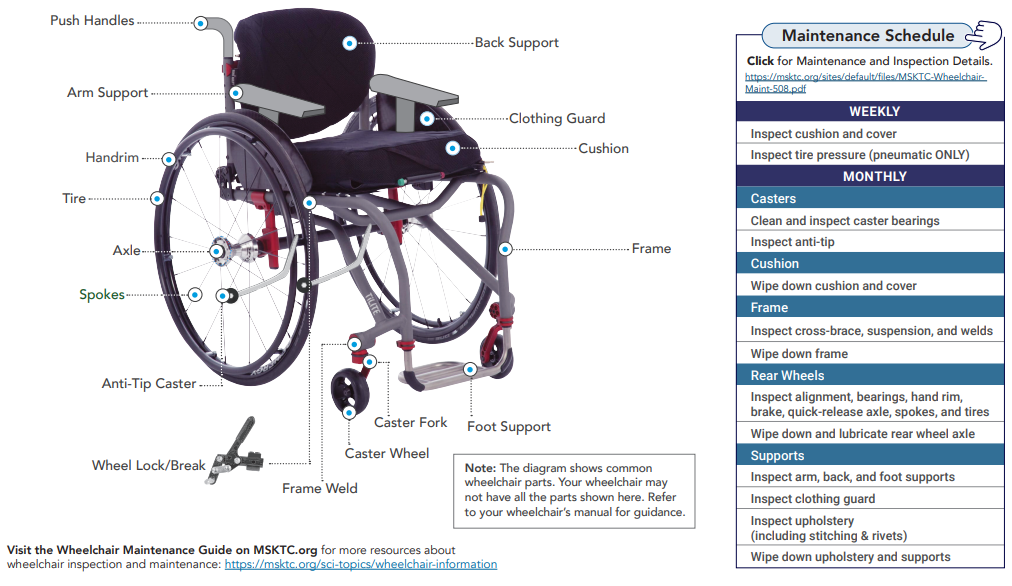
After drying, apply a small amount of silicone-based lubricant to:
– Axles
– Caster swivel points
– Folding frame joints
Avoid over-lubricating, and never use WD-40 or oil-based products—they attract dirt and degrade rubber.
Reassemble and Test
- Reattach seat and backrest cushions
- Reconnect the battery and replace the cover
- Check that wheels spin freely and brakes engage properly
- For power chairs: Test joystick response and look for error codes
If anything feels off—like stiffness, noise, or reduced power—stop using the chair and consult a technician.
Prevent Dirt with Entryway Solutions
Use a Wheel Wipe Mat
Prevent tracked-in dirt by installing a low-profile cleaning mat at your door. Options include:
– Artificial turf (Astroturf) mat – Rolls over wheels to dislodge dust and pollen
– Rubber mat with raised bristles – Scrapes off mud and debris
– DIY boot scraper station – Two side-by-side scrapers to clean each wheel
Secure mats with non-slip backing to prevent tripping.
Try Quick Wipe-Down Techniques
Keep a microfiber cloth by the door. After coming inside:
1. Hold the cloth against one wheel
2. Roll forward slowly to wipe the surface
3. Repeat on the other side
This 30-second habit removes 80% of outdoor grime.
Use Wheel Covers for Maximum Protection
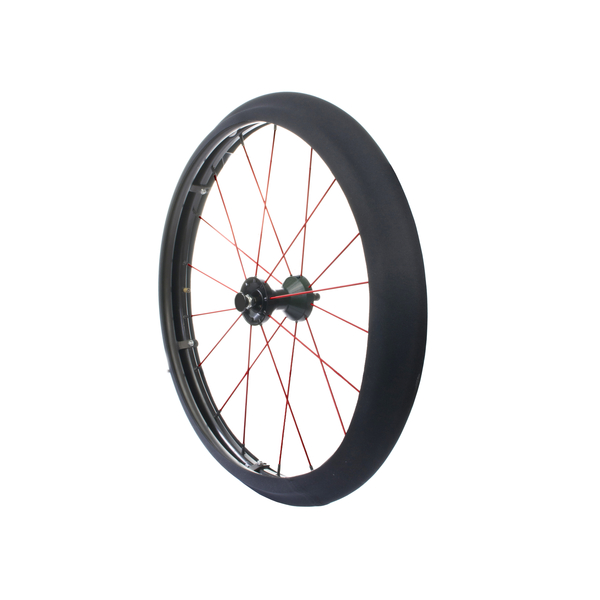
Install Reusable Wheelchair Slippers
Wheelchair tire covers, like RehaDesign Mud Eaters, act like “shoes” for your wheels. They:
– Prevent direct contact with indoor floors
– Are easy to put on and remove
– Can be washed and reused
– Fit most tire sizes
Ideal for high-pollen seasons, muddy environments, or homes with hardwood and carpet.
Consider a Second Set of Wheels
For frequent outdoor use, some users keep:
– A dedicated outdoor wheelchair (e.g., off-road Tilite model)
– Or a spare set of clean wheels to swap in before entering the house
This strategy saves time and keeps indoor spaces spotless.
Follow a Maintenance Cleaning Schedule
Daily and Weekly Tasks
| Task | Frequency |
|---|---|
| Wipe wheels with dry microfiber cloth | After every outdoor use |
| Blow out dust with compressed air | Daily or every other day |
| Full scrub with soap and brush | Weekly or bi-weekly |
| Inspect for wear, hair, and alignment | Weekly |
Monthly and Seasonal Care
- Monthly: Remove wheels (if possible) for deep cleaning of hubs and bearings
- Every 3–6 months: Lubricate axles and joints
- Seasonally: Replace worn tires, deep clean frame, and wax for protection
Pro Tip: Keep a cleaning kit by the door with a brush, cloth, soap, and air blower for quick access.
Avoid Common Cleaning Mistakes
Don’t Use High-Pressure Water
Hosing down a power wheelchair with high pressure can force water into motors and electronics, causing permanent damage. Always use a damp cloth or low-pressure rinse only.
Never Use Harsh Chemicals
Bleach, ammonia, or degreasers can crack rubber tires and degrade plastic. Stick to mild, non-corrosive cleaners.
Skip the Petroleum Lubricants
Oil-based lubes break down rubber seals and attract dirt. Silicone spray is the only safe option for wheelchair moving parts.
Adapt Cleaning for Weather and Environment
Snow and Ice
Letting snow melt on wheels indoors creates slippery floors and rust risks. Instead:
– Wipe wheels with a dry cloth immediately
– Use a rubber mat at entry
– Allow chair to thaw in a garage before bringing inside
Pollen and Allergens
Wheelchair wheels carry pollen indoors, triggering allergies. Combat this by:
– Wiping wheels with a damp cloth after outdoor use
– Using tire covers
– Pairing with an indoor air purifier
Mud and Gravel
For heavy-duty cleaning:
– Rinse outdoors with a hose (low pressure)
– Scrub with a stiff brush and bike cleaner
– Dry thoroughly before use
Rubber bristle mats are highly effective at removing mud at entry points.
Final Tips for Long-Term Wheel Care
Clean wheelchair wheels mean smoother rides, fewer repairs, and a cleaner home. Combine entryway mats, quick wipes, weekly deep cleans, and seasonal maintenance for optimal performance. Stay consistent—small efforts prevent big problems. If wheels feel stiff or make grinding noises after cleaning, the bearings may be damaged; consult a technician instead of forcing repairs.
Ultimate Strategy: Keep your wheels spinning freely and your floors spotless with smart habits and the right tools. Start today—your mobility and home will thank you.