
If you’re converting a mobility van into a camper, cargo hauler, or daily driver, removing the wheelchair ramp or lift is often the first major step. This process isn’t just about clearing space—it’s a complex mechanical and electrical task that requires precision, safety awareness, and the right tools. Whether you’re working with a side-entry electric lift, an underbody cassette system, or a rear manual ramp, knowing how to remove a wheelchair ramp from a van safely and efficiently can save you time, money, and frustration.
Most wheelchair-accessible vans—like the Ford Transit, Chevy Express, or Volkswagen T6/T6.1—come with factory or aftermarket lifts that alter the vehicle’s structure, wiring, and even fuel system. These systems can weigh over 400 lbs, integrate deeply with vehicle electronics, and leave behind structural modifications. But with proper planning, two or more people, and the right approach, you can successfully remove the ramp and reclaim your van’s full potential.
This guide walks you through every critical phase: cutting power, identifying your lift type, disconnecting wiring, removing bolts, extracting heavy components, and addressing post-removal issues like floor damage or shift interlock failure. You’ll also learn how to resell the lift, restore factory features, or repurpose leftover structures for storage or entry platforms.
Disconnect Battery and Power First
Before touching any hardware, cut all electrical power to avoid shocks, shorts, or accidental activation.
Cut Power at the Source
Start by disconnecting the negative terminal of the van’s main battery, followed by the positive. Many wheelchair lifts run directly from the starter battery via a thick red wire connected to an aftermarket fuse block—typically found near the battery or along the frame rail. Locate and disconnect this feed.
Use a multimeter to test for voltage in the lift circuit. Even with the battery disconnected, capacitors in the motor or control box can hold residual charge.
⚠️ Never assume the system is dead. Live circuits can damage tools, trigger sudden movements, or cause injury.
Identify Key Electrical Connections
Trace and label each wire before removal:
– Dash indicator light – shows lift status (often red).
– Door safety switch – located in the B-pillar or sliding door jamb.
– Shifter interlock solenoid – prevents shifting out of park unless the lift is stowed.
– Remote control receiver – usually under the passenger seat or rear floor.
✅ Pro Tip: If you plan to resell the lift, use a de-pin tool to extract wires from connectors instead of cutting them. This preserves resale value.
Identify Your Ramp or Lift Type
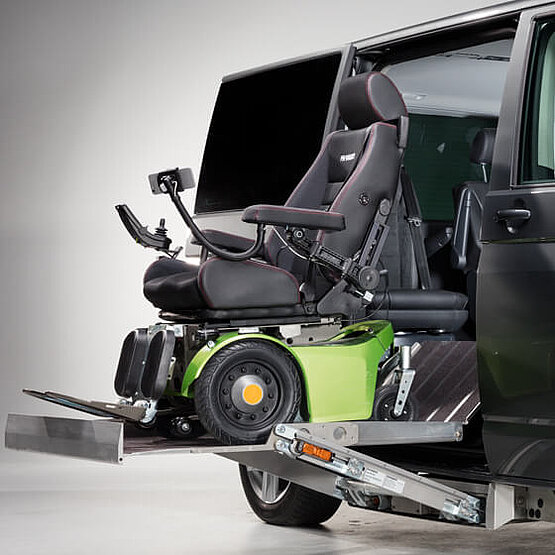
The removal process depends entirely on the system installed.
Underbody Cassette Lifts
Found on models like the Volkswagen T6 Pro, these retractable lifts slide under the van and weigh up to 440 lbs (200 kg). They’re secured with four large bolts to the underframe and often require custom fuel tank and exhaust routing.
🔧 Challenge: Requires full under-van access. Remove underbody shields and ensure the van is securely jacked up.
Side-Entry Platform Lifts
Common in North American vans (e.g., Brunson 2 Series, AutoAdapt), these electric platforms extend from the sliding door side. Mounted through the floor into the chassis, they use 4–8 heavy-duty bolts, support brackets, and ground cables.
⚠️ Caution: Deep integration with vehicle electronics means complex wiring and potential structural cuts.
Rear Manual or Electric Ramps
Folding ramps at the rear doors may include hydraulic suspension assist or act as locking mechanisms when stowed. Modifications often include cut bumpers, sloped floors, or relocated suspension components.
🛠️ Advantage: Simpler removal than side-entry lifts, though floor and bumper damage will need repair.
Interior Folding Ramps
Lightweight, removable ramps secured with 7–20 bolts, often part of rail systems like Unwin rails. These are the easiest to remove—just unbolt and lift out.
✅ Ideal for DIY: Minimal electrical work, low weight, and accessible fasteners.
Remove Electrical Wiring Safely

With power off, begin disconnecting all lift-related wiring.
Unplug Control and Sensor Wires
Common circuits to disconnect:
– Dash indicator plug – behind the dashboard or near the glove box.
– Door position sensor – small connector in the door jamb.
– Shifter interlock harness – runs near the transmission or under the dash.
– Motor control box – often mounted near the lift or under rear seats.
💡 Save for Resale: Label each wire with tape or zip ties. Take photos to document routing.
Handle Unused Wires Post-Removal
After removal:
– Replace blank dash switches (~$15).
– Cover holes in seat bases (~$30 repair kits available).
– Cap exposed wire ends with heat-shrink tubing or electrical tape.
🛠️ Workaround: Reinstall the original door switch to hide gaps and restore factory appearance.
Access and Remove Mounting Bolts
With wiring clear, expose and remove the mechanical fasteners.
Expose Mounting Points
Remove floor panels, carpeting, or plastic undertrays. For underbody lifts, jack up the van and remove underbody shields.
Loosen Heavy-Duty Bolts
Bolts are typically 14 mm or 1/2 inch. Apply penetrating oil (PB Blaster) if rusted. Use:
– Breaker bar or impact wrench for tight bolts.
– A second wrench on the backside nut to prevent spinning.
✅ Two-Person Coordination: One holds the nut inside, one loosens outside.
Cut Seized Bolts if Necessary
If bolts spin or are inaccessible:
– Use an angle grinder with a thin metal-cutting disc.
– Or a reciprocating saw with a bi-metal blade.
– Cut flush with the frame to allow extraction.
⚠️ Warning: Sparks and heat—keep a fire extinguisher nearby and avoid flammable fluids.
Detach Support Components
Before pulling the lift, remove auxiliary parts.
Disconnect Ground Cable
Usually attached with a self-tapping screw to the chassis. Unscrew and feed wire back through.
Remove Step Brackets
Only remove brackets that block the removal path.
Extract Motor and Control Box (If Applicable)
Disconnect the splined drive shaft carefully. Unbolt the control box and set aside for resale or disposal.
Extract the Ramp or Lift
Now remove the heaviest component safely.
Two-Person Manual Removal
Use wooden shims or dolly boards as sliders. One person guides from outside, one pushes from inside. Use high bars or pry bars to stabilize.
⚠️ Never attempt alone—units can weigh 400+ lbs.
Use Mechanical Lift (Recommended)
For safer handling:
– Cherry picker or engine hoist – lowers lift straight down.
– Forklift – ideal for professionals.
– Furniture dolly – once outside, roll to storage.
💬 Real Experience: One DIYer used a cherry picker; another was paid $1,250 by an installer who removed it with a forklift.
Address Post-Removal Issues
After removal, fix lingering problems.
Van Won’t Shift Out of Park?
Cause: Shifter interlock was linked to lift safety circuit.
Fix Options:
– Bypass solenoid with a dummy harness.
– Reconnect original switch or install a jumper.
– Consult a mechanic familiar with mobility conversions.
✅ Prevention: Test shift function before final reassembly.
Repair Floor Holes and Structure
- Bolt holes can be left or patched with metal plates and sealant.
- Sloped or cut floors:
- Weld in new steel sections.
- Build custom storage boxes to cover gaps.
🛠️ Pro Move: Turn voids into hidden storage for tools or batteries.
Restore Fuel and Exhaust Systems
Underbody lifts often alter:
– Fuel tank shape – reduced capacity (e.g., from 80L to 52L).
– Exhaust routing – may be raised or bent.
✅ Option: Replace with OEM fuel tank if full range is needed.
Handle Bumper and Panel Modifications
Rear ramps may have required:
– Cut bumper
– Dropped rear panel
Repair Options
- Install new OEM bumper.
- Weld or bolt in steel cover plate.
- Use space for spare tire mount or tool storage.
💡 Creative Use: Convert gap into accessible gear compartment.
Tools You’ll Need
| Tool | Purpose |
|---|---|
| Socket set (14 mm, 1/2″) | Remove mounting bolts |
| Wrenches & ratchets | General disassembly |
| Impact wrench | Free stuck bolts |
| Angle grinder or reciprocating saw | Cut seized fasteners |
| De-pin tool | Extract wires cleanly |
| Multimeter | Confirm power is off |
| Penetrating oil | Loosen rust |
| Jack & stands | Safe under-van work |
| Pry bars | Guide lift during removal |
| Dolly or hoist | Move heavy unit |
✅ Pro Tip: Bring extra saw blades and drill bits—metal work eats through cheap tools.
Sell, Donate, or Scrap the Lift
Don’t throw it away—mobility lifts have value.
Sell for Cash
- Price Range: $200–$1,250 (based on model and condition).
- Best Buyers: Medical supply companies, mobility refurbishers, nonprofits.
- Platforms: Facebook Marketplace, Craigslist, eBay, van forums.
💬 True Story: One seller got $750 on Facebook; another was paid $1,250 by an installer.
Donate or Recycle
- Charities: May accept for tax deduction.
- Scrap yards: Take for free (ferrous + aluminum content).
- Garages: May remove for $100–$200 service fee.
Time, Difficulty, and Labor
| Factor | Detail |
|---|---|
| Time Required | 2–6 hours |
| Difficulty | High – not for beginners |
| People Needed | Minimum 2; 3 recommended |
| Skill Level | Mechanical + electrical awareness |
| Best For | DIY van converters, experienced mechanics |
✅ Final Note: While interior ramps are simple, powered lifts are serious projects. Plan for surprises.
Alternative Removal Strategies
Keep Ramp, Remove Motor (Hybrid Use)
Remove motor and electronics, leave ramp structure. Converts to permanent step or platform—ideal for overland builds.
Restore to Factory Condition
- Weld new floor sections.
- Reinstall OEM fuel tank and exhaust.
- Replace bumper and panels.
- Best for resale or clean aesthetics.
Final Tips and Takeaways
- Always disconnect battery first—no exceptions.
- Expect surprises: rusted bolts, hidden wiring, structural cuts.
- Take photos during disassembly—helps with resale or repairs.
- Label every wire and bolt—saves hours later.
- Use proper lifting tools—your back will thank you.
- Address shifter interlock—or you won’t drive away.
- Selling the lift offsets cost—contact medical suppliers first.
- Turn damage into opportunity—use floor gaps for storage.
✅ Bottom Line: Removing a wheelchair ramp from a van is a demanding but rewarding project. With the right tools, teamwork, and preparation, you reclaim valuable space and unlock your van’s full potential—whether for camping, cargo, or customization.