
Choosing a wheelchair for an elderly loved one is about far more than mobility—it’s about restoring dignity, promoting independence, and ensuring safety in daily life. Whether needed temporarily after surgery or long-term due to conditions like arthritis, Parkinson’s, or stroke recovery, the right wheelchair can dramatically improve quality of life. But with so many types, features, and options available, the decision can feel overwhelming. From manual vs. powered models to sizing, comfort, and insurance coverage, every choice matters. This guide walks you through the essential steps to confidently select the best wheelchair based on the individual’s physical needs, lifestyle, and environment—so you can make a decision that supports both today’s comfort and tomorrow’s independence.
Determine Whether a Wheelchair Is Needed—and When
Before shopping, clarify why and how often the wheelchair will be used. This shapes every other decision.
Is the Need Short-Term or Long-Term?
- Short-term use (e.g., post-hip surgery or injury): A lightweight or transport wheelchair may be sufficient. Renting is often more cost-effective and avoids long-term storage issues.
- Long-term or progressive conditions (e.g., ALS, multiple sclerosis): Opt for a model that can adapt—such as one with adjustable seating, power-assist wheels, or a higher weight capacity.
- Fluctuating mobility: Consider a manual wheelchair now, but one compatible with future motorization upgrades.
Where Will It Be Used Most?
- Indoors only (e.g., home with limited space): Prioritize narrow width, tight turning radius, and smooth-floor compatibility.
- Outdoors or mixed terrain (e.g., parks, sidewalks, uneven driveways): Look for larger wheels (8–12 inches), suspension, and durable frames.
- Frequent travel or car use: Choose a foldable, lightweight manual chair or a modular power chair that disassembles easily.
Address Emotional Readiness and Acceptance
Many seniors resist wheelchairs, fearing they symbolize dependence. Instead, emphasize how a wheelchair increases freedom, reduces fall risk, and conserves energy for meaningful activities. Involve the user in testing and selection—acceptance improves significantly when they feel in control of the decision.
Get Input from Healthcare Professionals First
Never skip expert guidance. A proper assessment ensures safety, comfort, and eligibility for insurance or funding.
Obtain a Doctor’s Prescription
A prescription is required for Medicare, Medicaid, and most private insurance plans. It must include a Letter of Medical Necessity explaining why the wheelchair is essential for the user’s health and mobility at home.
Consult a Physical or Occupational Therapist
A PT or OT can assess strength, balance, posture, and transfer ability. They’ll recommend critical features like:
– Reclining backrests to prevent pressure sores
– Pressure-relief cushions for users with limited sensation
– Elevated leg rests for circulation issues
They also train users and caregivers on safe propulsion and transfer techniques.
Work With a Mobility Specialist
Found at medical supply stores or Durable Medical Equipment (DME) providers, mobility specialists help with:
– Precise fitting (seat width, depth, height)
– Customizations (armrests, footrests, controls)
– Home assessments to ensure the chair fits doorways and bathrooms
Choose the Right Type of Wheelchair

The two main categories—manual and powered—serve different levels of mobility and independence.
Manual Wheelchairs: Best for Active Users or Caregiver Assistance
Lightweight Models (30–40 lbs)
Made from aluminum, these fold easily and fit in most car trunks. Ideal for seniors who can self-propel and need occasional support. Example: Drive Medical Blue Streak Ultra-Lightweight.
Ultralight Models (10–15 lbs)
Built with titanium or carbon fiber, these are perfect for frequent travelers. While more expensive and less padded, they offer unmatched portability.
Bariatric Wheelchairs
Support 350–1,000+ lbs with wider seats (22–30+ inches) and reinforced frames. Available in both manual and powered versions.
Transport Wheelchairs
Narrow, lightweight, and designed only for caregiver use. Great for doctor visits or airport transfers. Features include swing-away footrests and full arms for comfort during short trips.
Powered Wheelchairs: For Limited Upper Body Strength
Front-Wheel Drive
Excels on curbs, grass, and uneven surfaces. Smoother ride outdoors but harder to maneuver in tight indoor spaces.
Mid-Wheel Drive
Turns in place (360° pivot), making it ideal for apartments or homes with narrow hallways. Most stable on flat indoor floors.
Rear-Wheel Drive
Fast and stable on slopes and long outdoor stretches. Less maneuverable indoors and may tip forward on obstacles.
Stair-Climbing Wheelchairs
Use tracks or robotic legs to climb stairs. Extremely expensive ($15,000–$50,000+) and high-maintenance. For most, a stair lift is a more practical alternative.
Size the Wheelchair Correctly to Prevent Discomfort
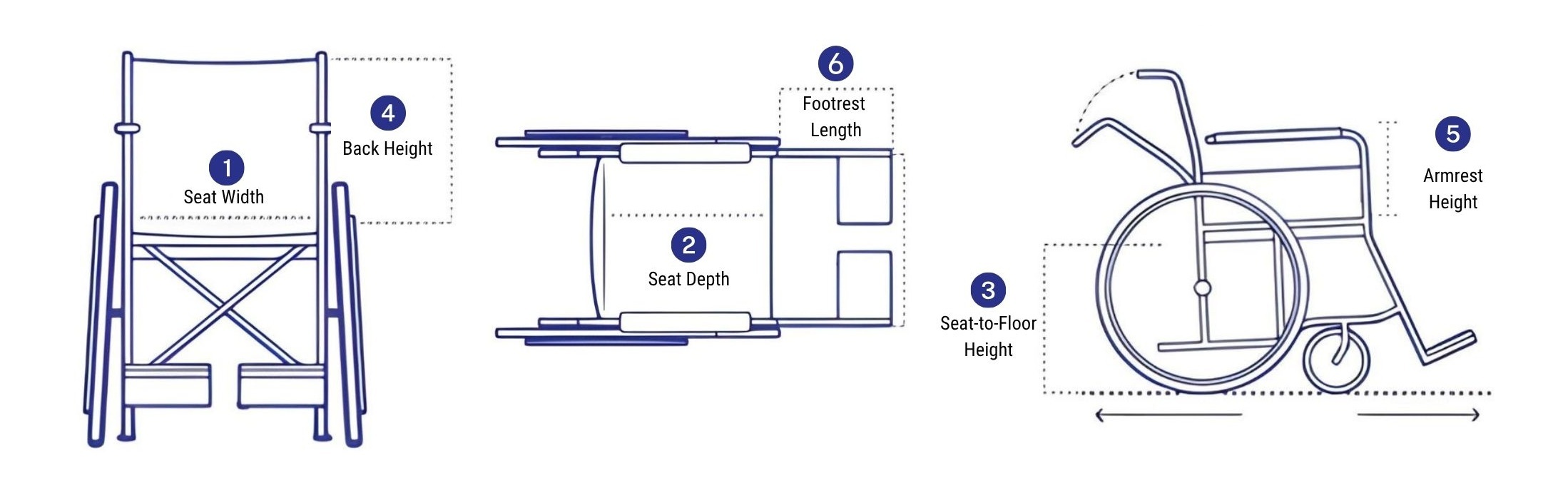
An ill-fitting wheelchair can cause pressure sores, poor posture, and pain.
Seat Width and Depth
- Width: Measure hips at widest point; add 1–2 inches. Standard: 16–18 inches. Bariatric: 20+ inches.
- Depth: From back of buttocks to behind knees; leave 1–2 inches for circulation. Typical: 16–20 inches.
Seat Height
Standard seat-to-floor height is 20 inches. Adjustable models help match bed, toilet, or car transfer heights.
Backrest Options
- Low backrest: For users with strong trunk control.
- High backrest: Supports those with spinal issues or poor posture.
- Reclining backrests: Allow position changes to relieve pressure and prevent ulcers.
Prioritize Comfort and Support Features
Comfort isn’t optional—it’s essential for long-term health.
Use Pressure-Relief Cushions
Gel, foam, or air cushions reduce the risk of pressure sores, especially for users who sit for hours.
Select Adjustable Armrests
- Flip-back or swing-up arms: Make transfers easier.
- Removable arms: Help when sitting at tables or desks.
Install Proper Footrests
- Swing-away or removable: Prevent tripping during transfers.
- Elevating leg rests: Improve circulation for users with swelling.
Add Head and Neck Support
Padded, adjustable headrests are essential for users with poor head control or spinal conditions.
Match the Wheelchair to the Home and Environment
The right chair depends on where it will be used most.
Optimize for Indoor Use
Choose narrow, lightweight models. Mid-wheel drive power chairs turn tightly in small spaces. Ensure doorways are at least 32 inches wide.
Prepare for Outdoor Use
Larger wheels handle curbs and gravel. Suspension systems smooth out bumps. Rear- or front-wheel drive models perform better on grass or slopes.
Plan for Home Challenges
- Stairs: Install ramps (1:12 slope) or stair lifts.
- Bathrooms: Consider roll-in showers or raised toilets with grab bars.
- Floors: Thick carpet or thresholds may require powered assistance.
Ensure Portability and Easy Transport
If the wheelchair travels in a car, portability is key.
Choose Foldable Models
Scissor-fold frames collapse quickly. Most lightweight manual chairs fit in a trunk.
Check Weight for Lifting
- Manual chairs: 30–50 lbs (ultralight under 30 lbs).
- Powered chairs: 150–300+ lbs; some disassemble into carryable parts.
Consider Vehicle Compatibility
Will it fit in your car? Can you lift it? For power chairs, check if a vehicle lift or ramp is needed. Some models offer removable batteries for indoor charging.
Evaluate Controls and Safety Features
Safety prevents accidents and boosts independence.
Manual Brakes and Anti-Tip Wheels
Standard on all models; must lock securely. Anti-tip wheels prevent backward tipping on inclines.
Powered Chair Controls
- Joystick: Most common, mounted on armrest.
- Alternative controls: Sip-and-puff, head array, or chin control for limited hand function.
Seat Belts and Stability
Lap belts are recommended, especially on power chairs or slopes. Mid-wheel drive offers the best stability during turns.
Understand Battery and Power Needs for Electric Chairs
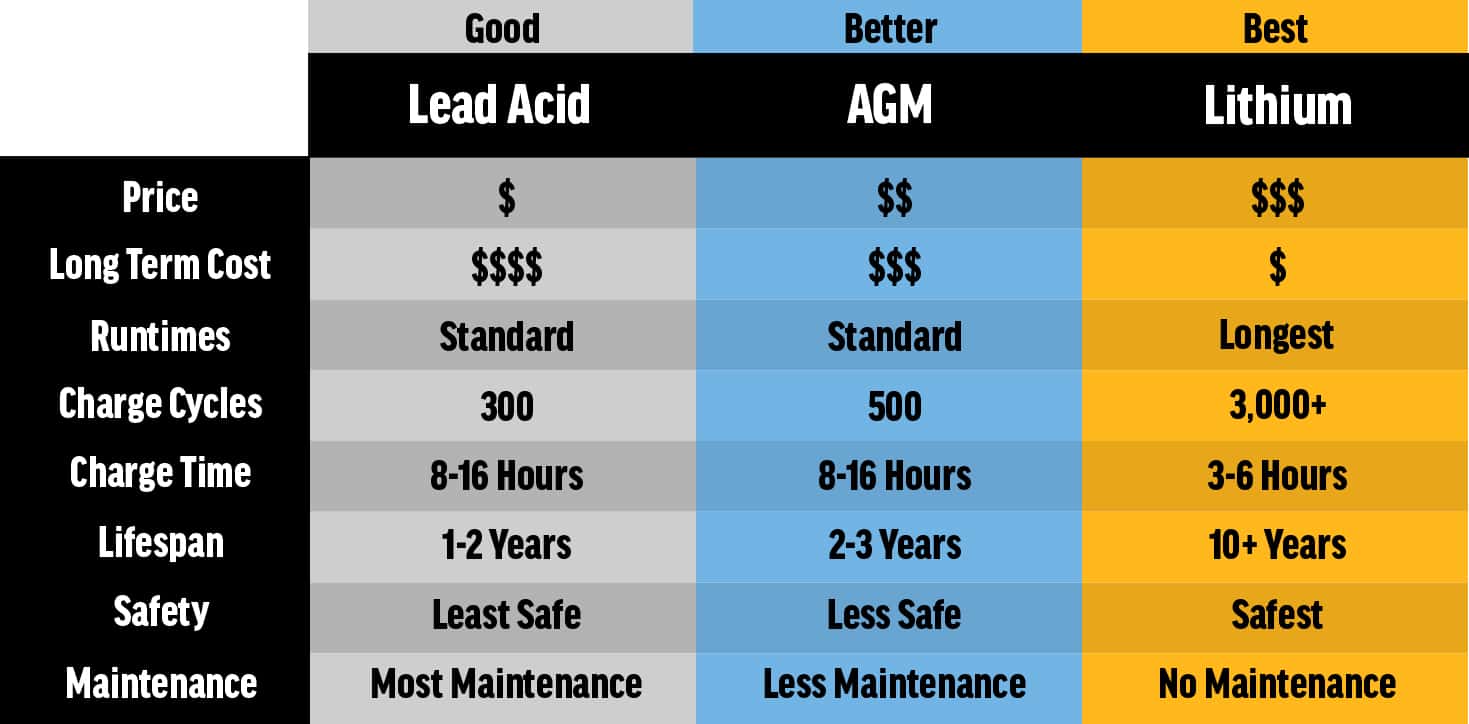
For powered wheelchairs, battery life affects daily freedom.
Know the Range and Charging Time
- Range: 10–20 miles per charge (varies by terrain, weight, use).
- Charging: 8–10 hours overnight; avoid deep discharges.
Choose Battery Type
- Sealed lead-acid: Cheaper, heavier, shorter lifespan.
- Lithium-ion: Lighter, longer life, faster charging, but more expensive.
Maintain Battery Health
Charge after each use. Store in a dry, temperate place. Replace every 12–18 months.
Add Useful Accessories for Daily Living
Customize the wheelchair to fit real-life needs.
Storage and Convenience
- Cup holders and trays: For meals, tablets, or books.
- Storage bags or baskets: Carry groceries, medications, or personal items.
Mobility and Safety Aids
- Cane or walker holder: Keeps other tools within reach.
- Oxygen tank holder: For users on supplemental oxygen.
- USB charging ports: Power phones or medical devices.
Weather Protection
- Rain covers: Keep user dry in showers.
- UV shields: Protect from sun during outdoor outings.
Plan Budget and Funding Options
Wheelchairs vary widely in price—know your options.
Understand Cost Ranges
- Manual: $100 (transport) to $3,000+ (custom ultralight)
- Powered: $2,000–$10,000+ (stair-climbing up to $50,000)
Use Insurance and Assistance
- Medicare: Covers medically necessary chairs used in the home.
- Medicaid: Varies by state; may cover power chairs.
- Private insurance: Often requires prior authorization.
Access Financial Aid
- Motability Scheme (UK): Leases using disability benefits.
- Red Cross (UK): Rentals from £22/week.
- Local charities: Offer loans or subsidies.
- VAT exemption (UK): Zero-rated tax for disabled buyers.
Test Before You Buy—and Reassess Over Time
Never purchase without a trial.
Try Multiple Models
Test indoors, outdoors, on inclines. Check comfort, turning ease, noise, and transfer safety.
Involve the User
Their feedback on comfort and confidence is essential.
Buy From Reputable Sources
Medical supply stores offer fittings and trials. Online retailers provide wider selection—check return policies.
Maintain and Reassess Annually
Check tires, brakes, and batteries regularly. Schedule annual reviews with a therapist to adjust as needs change.
Choosing a wheelchair for an elderly person is a powerful step toward independence, safety, and dignity. By matching the chair to the user’s body, lifestyle, and environment—and involving professionals in the process—you ensure long-term comfort and mobility. Use this guide to make a confident, informed choice that supports both today’s needs and tomorrow’s well-being.